Most homeowners don’t think much about water until something feels a little off. That’s usually how it starts. A strange taste in the morning coffee. White spots on clean dishes. Dry skin after a shower that somehow feels harsher than usual. Nothing dramatic — just enough to make you pause for a second.
The funny thing about household water is that problems often appear quietly. They don’t usually arrive with alarms or obvious warnings. Instead, they slip into daily routines slowly enough that people adapt without realizing it.
A faucet gets crusty around the edges. Soap stops lathering properly. Appliances don’t seem to last as long as they should. And over time, those small frustrations start connecting into a bigger picture.
That’s when many homeowners finally begin asking questions about what’s actually in their water.
Hard Water Has a Way of Making Itself Known
One of the most common issues people encounter is water hardness, though plenty of homeowners don’t recognize it immediately.
Hard water simply means the water contains elevated levels of minerals like calcium and magnesium. Those minerals aren’t necessarily dangerous, but they can create constant low-level headaches around the house.
Shower doors collect cloudy residue no matter how often they’re cleaned. Towels feel rough after washing. Water heaters lose efficiency over time because scale buildup forms inside the tank. Even something simple like washing your hands can feel slightly different when soap struggles to rinse properly.
I remember staying at a relative’s house years ago where every faucet seemed coated in white buildup. They thought it was just poor cleaning habits until a plumber explained the issue was hard water affecting the entire home.
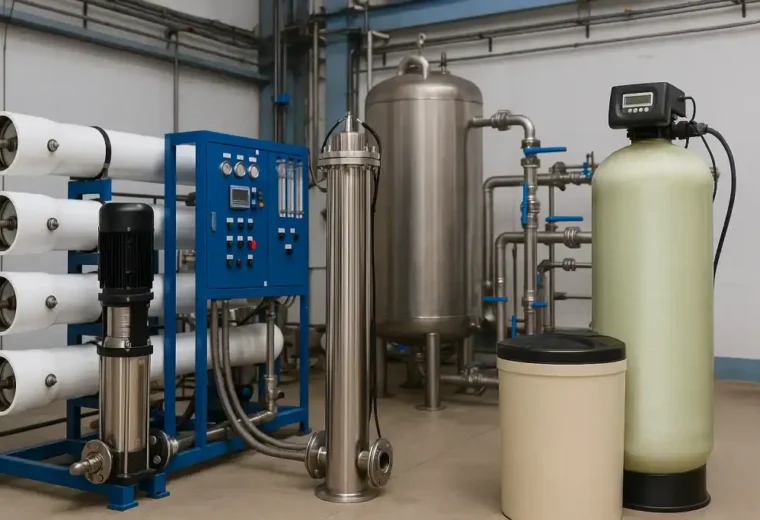
Once they installed a softening system, the difference showed up everywhere — softer laundry, clearer glassware, even smoother-feeling showers. Small changes, honestly, but noticeable ones.
Water Quality Isn’t Just About Taste
People often judge water based on taste alone, but that only tells part of the story. Some contaminants or mineral imbalances are obvious, while others remain invisible without testing.
That’s where measurements like total dissolved solids become important. TDS refers to the combined amount of dissolved minerals, salts, and substances present in water. Higher levels don’t automatically mean the water is unsafe, but they can affect taste, appliance performance, and overall water feel inside the home.
What makes this tricky is that two homes in the same city can experience completely different water conditions. Pipe materials, aging infrastructure, groundwater sources, and seasonal changes all influence what eventually comes through the tap.
Some people notice metallic flavors. Others complain about sulfur smells or cloudy appearance. In older neighborhoods, plumbing itself may contribute to changing water quality over time.
That uncertainty is exactly why testing matters more than assumptions.
Why More Homeowners Are Testing Their Water
There’s definitely been a shift in how people think about water over the last decade. Homeowners today are more informed — and maybe a little more cautious — than previous generations were.
Part of that comes from increased awareness around infrastructure issues and environmental concerns. But honestly, it also comes from experience. Once someone deals with bad water long enough, they realize how much it quietly affects daily life.
Testing gives homeowners real answers instead of internet guesswork.
A proper water evaluation can identify mineral content, pH balance, chlorine levels, sediment, bacteria, and other factors that influence water quality. Sometimes the results reveal no major problems at all, which can be reassuring by itself. Other times, testing helps pinpoint exactly what needs attention instead of wasting money on unnecessary systems.
Good professionals almost always recommend testing before selling treatment equipment. That’s usually a sign they care more about solving problems correctly than pushing products.
Chlorine Isn’t Always the Villain — But It Matters
Municipal water systems commonly use chlorine to disinfect public water supplies, and in many ways, that’s a good thing. Chlorine helps reduce harmful bacteria and keeps water safer during transport through city pipelines.
Still, heavy chlorine presence can create noticeable taste and odor issues inside homes. Some people describe it as a pool-like smell, especially when shower steam intensifies it.
That’s why chlorine testing has become increasingly common among homeowners trying to improve taste and comfort without overcomplicating things.
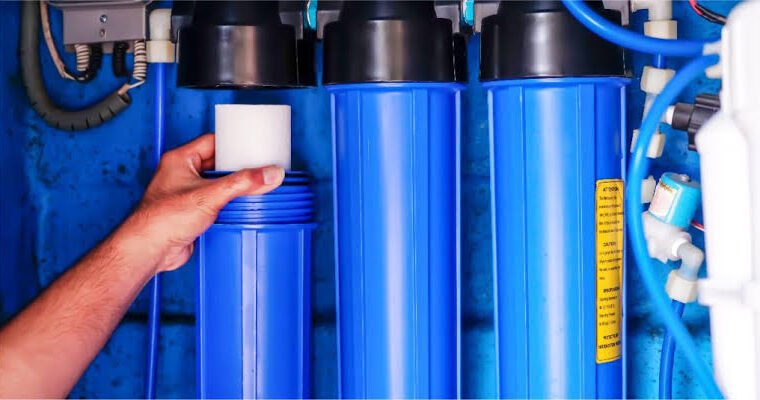
In many cases, basic carbon filtration systems effectively reduce chlorine levels and noticeably improve water flavor. Coffee tastes cleaner. Ice cubes smell fresher. Even cooking becomes slightly more enjoyable when water loses that chemical aftertaste.
The improvement often feels subtle at first — until you experience untreated water again somewhere else and suddenly notice the difference immediately.
Better Water Changes Everyday Routines Quietly
One thing people rarely mention after improving their water is how quickly they stop thinking about it altogether. That’s probably the clearest sign the system is working properly.
No more scrubbing stubborn spots off dishes. No strange smells during showers. No wondering whether the water is affecting appliances or plumbing behind the walls. Life simply feels smoother in small but meaningful ways.
And honestly, that’s what most homeowners are really looking for. Not perfection. Not luxury. Just reliability and comfort.
Water touches nearly every part of daily life — cooking, cleaning, bathing, laundry, drinking — even though we barely notice it most of the time. When something feels wrong, it quietly disrupts those routines in ways that add up faster than expected.
But when water feels clean, balanced, and dependable again, the house somehow feels calmer too. Less frustrating. Easier to live in.
Funny enough, the best water systems are often the ones you eventually forget are even there.

Admin
Contributor at Readnify covering useful ideas, practical context and emerging stories.
Bring your expertise to Readnify.
We welcome original, useful guest contributions that help readers make better decisions.