There’s a quiet moment most of us don’t talk about. You fill a glass, take a sip, and pause—not because it’s bad, just… different. A faint sharpness, maybe a slight aftertaste that wasn’t there before. You hesitate, then move on.
But the thought lingers.
Water is supposed to be invisible in your day. It shouldn’t demand attention. So when it does, even a little, it makes you wonder what’s changed.
When Something Feels Slightly Off
Most water concerns don’t start with obvious problems. They begin with small observations. A taste that feels a bit stronger. A smell that’s barely noticeable but still there. Sometimes, it’s just a feeling that things aren’t as neutral as they used to be.
Often, this comes down to chlorine levels water systems use to keep supplies disinfected. Chlorine plays an important role—it helps eliminate harmful bacteria and keeps water safe as it travels through miles of pipes.
But even when it’s doing exactly what it’s supposed to do, it can leave behind a subtle signature. Not dangerous, just noticeable.
The Balance Between Safety and Experience
Here’s the interesting part: water can meet all safety standards and still not feel ideal.
That’s because safety and experience aren’t always the same thing. You might have access to safe drinking water, but if the taste or smell feels off, your perception changes.
You start questioning it. You might drink less, or switch to bottled options without really thinking about why. It’s not about distrust—it’s about comfort.
And comfort matters more than we often admit.
Why Taste Shapes Daily Habits
Think about it for a second. When water tastes clean and neutral, you don’t think twice. You drink it without hesitation. It becomes part of your routine.
But when something feels off, even slightly, it disrupts that rhythm.
You might notice it more in certain situations—early in the morning, after the water has been sitting in pipes overnight, or when using hot water. These variations can make the experience feel inconsistent, which only adds to the uncertainty.
It’s not a major issue, but it’s enough to change how you interact with something as basic as water.
Finding a Middle Ground That Works
The goal isn’t to remove everything from your water. It’s to find a balance—something that maintains safety while improving how it feels to use.
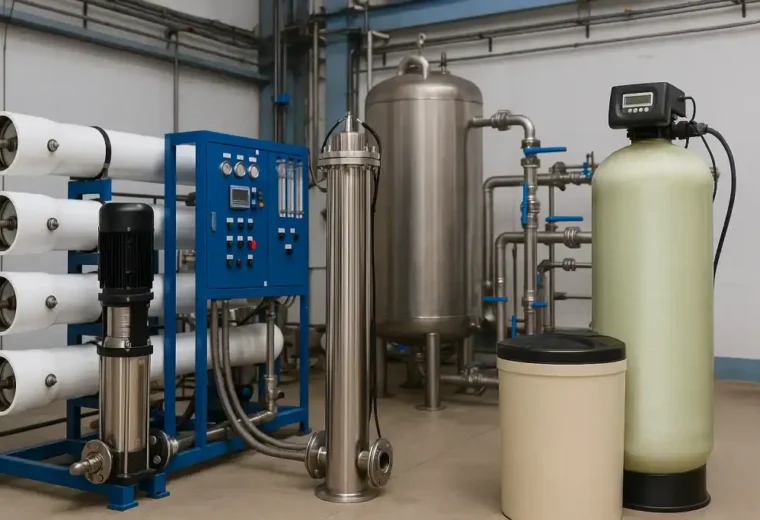
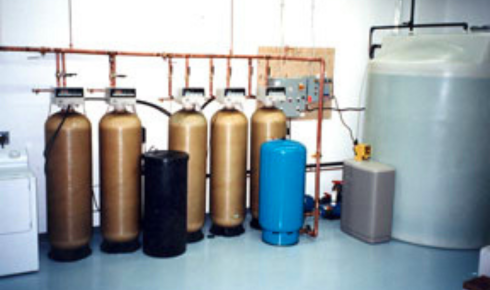
That’s where water filtration comes into the conversation. Not as a complicated or overwhelming solution, but as a practical way to refine what’s already there.
Simple filtration systems, like activated carbon filters, can reduce chlorine taste and odor. They don’t strip water down to nothing—they just smooth out the edges, making it feel more natural.
For many homes, that’s all it takes.
Understanding What Your Water Needs
Not every home has the same water profile. Factors like location, infrastructure, and even seasonal changes can affect what comes out of your tap.
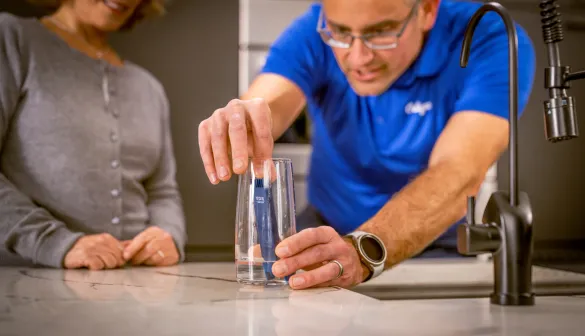
That’s why understanding your water is important. Testing can provide clarity—showing what’s present and at what levels. From there, decisions become easier.
You’re not guessing. You’re responding to real information.
And that makes a difference.
The Cost Question (Because It’s Always There)
Let’s be honest—any improvement comes with a cost.
Even basic filters require an upfront purchase and occasional replacement. For some, that’s enough to hesitate.
But it’s worth considering the trade-off. Better-tasting water. More confidence in what you’re drinking. Less reliance on bottled alternatives.
It’s not just about solving a problem—it’s about improving something you use every single day.
Maintenance: The Part That Gets Overlooked
No system is completely hands-off.
Filters need to be changed. Units need occasional checks. It’s not complicated, but it does require a bit of consistency.
The upside is, once it becomes part of your routine, it’s easy to manage. A small effort that keeps everything running smoothly.
Living With Water You Don’t Think About
At its best, water fades into the background.
You turn on the tap, fill a glass, take a sip—and that’s it. No hesitation, no second-guessing. It just works.
And that’s really the goal. Not perfection, not something extraordinary. Just something reliable.
A Final Thought
Water is one of those quiet essentials in life. It’s always there, supporting your routine without asking for attention.
But when something changes—even slightly—it reminds you how important it is.
Taking a moment to understand what’s in your water, and how it affects your daily experience, isn’t about overthinking. It’s about paying attention.
Because sometimes, the difference between “good enough” and “just right” is smaller than you think.
And when it comes to something as simple—and essential—as water, that difference can matter more than you expect.

Admin
Contributor at Readnify covering useful ideas, practical context and emerging stories.
Bring your expertise to Readnify.
We welcome original, useful guest contributions that help readers make better decisions.