

Water has a funny way of becoming invisible. You wake up, turn on the kitchen faucet, make coffee, rinse vegetables for dinner later on — and rarely stop to think about what’s actually coming through the pipes. Most of the time, it’s just part of the background of life.
Until it isn’t.
Maybe the water starts tasting slightly metallic after heavy rain. Maybe the ice cubes smell strange. Maybe your coffee tastes dull no matter which expensive beans you buy. Small details like that tend to creep in quietly, and before long, people begin wondering whether their water could actually be better.
Honestly, that question has become more common than ever.
Water Quality Affects More Than People Realize
Most homeowners assume water concerns are only about safety. But the reality is a little more nuanced. Water impacts comfort, cooking, skin, appliances, and even daily routines in subtle ways people don’t notice right away.
When water quality improves, tiny things throughout the house improve too.
Tea tastes brighter. Pasta cooks more naturally. Showering feels different somehow. Even pets sometimes drink more water when it tastes fresher. These changes aren’t dramatic enough to make headlines, but they absolutely affect daily life.
That’s why people are becoming increasingly interested in systems designed to create better tasting water instead of simply settling for “good enough.”
Because once you experience cleaner, fresher water consistently, it’s surprisingly hard to go back.
The Taste Problem Is More Common Than You Think
A lot of households deal with unpleasant water flavor without realizing how widespread the issue actually is.
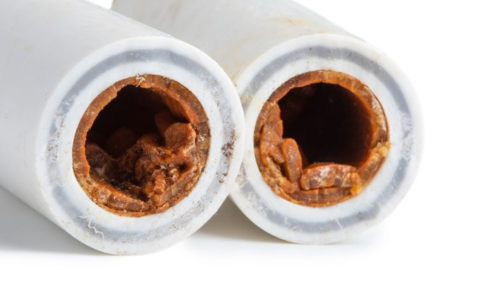
Municipal treatment systems often use chlorine or similar disinfectants to keep water safe during transport. Minerals from groundwater can also affect taste depending on the region. Add aging pipes into the mix, and suddenly water can pick up odors or flavors homeowners never expected.
And the strange part is how quickly people adapt to it.
You stop noticing the smell after a while. You assume tea is supposed to taste slightly bitter. You buy bottled drinks more often because plain tap water doesn’t feel satisfying. Gradually, those habits become normal.
Then someone installs proper filtration, and suddenly the difference feels obvious.
Why Home Filtration Is Becoming More Popular
For years, many people relied on bottled water instead of improving their household supply directly. It seemed easier. Grab a case from the store, toss it in the garage, and problem solved.
Except it wasn’t really solved.
The cost adds up over time. Plastic waste becomes frustrating. Carrying heavy cases inside every week gets old surprisingly fast. And ironically, many bottled brands come from municipal water sources anyway.
That’s one reason modern water filtration systems have become so appealing. They provide consistent improvement directly from the tap without constant replacement, hauling, or waste.
And unlike older systems that felt bulky or overly technical, today’s filtration setups are often compact, efficient, and fairly easy to maintain.
Healthy Water Means Different Things to Different Families
One interesting thing about water conversations is how personal they become once people start paying attention.
For one family, the priority might be removing chlorine taste from drinking water. Another homeowner may care more about reducing sediment or protecting appliances from mineral buildup. Parents often focus heavily on what their children consume every day, while coffee lovers simply want cleaner flavor.
At its core, though, most people are really searching for the same thing: reliable, healthy water they can trust without constantly second-guessing it.
And honestly, that peace of mind matters more than people expect.
Water is something we use constantly without thinking about it. Cooking, brushing teeth, filling reusable bottles before work, giving pets fresh water before bed — it quietly touches almost every part of daily life.
Not Every Home Needs the Same Solution
One mistake homeowners sometimes make is assuming there’s one perfect filtration system for everyone. In reality, water conditions vary dramatically depending on location.
Homes using well water face very different challenges than city apartments connected to municipal infrastructure. Some regions struggle with mineral-heavy water, while others mainly deal with chlorine odor or sediment.
That’s why testing matters before investing in any system.
Understanding the actual condition of the water helps homeowners choose equipment that addresses real issues instead of random marketing claims. Sometimes a basic carbon filter is enough. Other times, more advanced purification systems make sense depending on local conditions.
The smartest approach usually starts with information instead of assumptions.
Better Water Quietly Changes Daily Habits
One thing people rarely expect is how much improving water quality changes small routines over time.
When water tastes fresh, families naturally drink more of it. Reusable bottles get filled more often. Sugary drinks sometimes get replaced simply because plain water feels more enjoyable. Even cooking at home can become more satisfying because ingredients taste cleaner and more balanced.
These are quiet lifestyle shifts, but meaningful ones.
And maybe that’s the real reason homeowners care more about water now than they used to. It’s not just about technology or filtration equipment. It’s about improving everyday life in practical, noticeable ways.
The Comfort of Not Thinking About Water Anymore
Ironically, the best water systems are the ones people eventually stop noticing.
You stop buying bottled water. Stop wondering why the coffee tastes strange. Stop scrubbing mineral residue from kettles and faucets. Water simply becomes reliable again — something you can trust without constantly paying attention to it.
And honestly, there’s comfort in that.
Because at the end of the day, good water isn’t supposed to be complicated. It’s just supposed to make home feel a little easier, a little healthier, and a little more comfortable every single day.

Admin
Contributor at Readnify covering useful ideas, practical context and emerging stories.
Bring your expertise to Readnify.
We welcome original, useful guest contributions that help readers make better decisions.
Continue through the islands.
 Home Services