
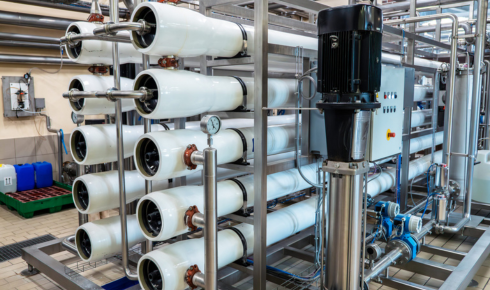
There was a time when installing a water filtration system felt like a big decision. Not just because of the cost, but because it came with trade-offs—complex setups, noticeable water waste, and systems that didn’t always feel… efficient.
Fast forward to today, and things feel different.
Water filtration hasn’t disappeared into the background entirely, but it’s definitely become easier to live with. Smarter, more refined. And if you’ve been considering an upgrade, you might be surprised by how much has changed.
A Shift You Don’t Always Notice
Most people don’t follow developments in water filtration technology—and that’s fair. It’s not exactly dinner table conversation.
But quietly, behind the scenes, things have improved.
Modern ro systems aren’t just about removing impurities anymore. They’re designed to fit into everyday life more naturally. Less noise, less waste, more consistency.
You don’t have to babysit them. You don’t have to constantly think about how they’re working. They just do what they’re supposed to do—and that’s the point.
Why Efficiency Matters More Than Ever
In the past, reverse osmosis systems had a bit of a reputation. They worked well, sure—but they weren’t always the most efficient.
Water usage was higher. Energy demands could add up. And for some households, that became a sticking point.
That’s where improvements in low-energy membranes come into play. These components are designed to filter water effectively without requiring as much pressure or power.
It’s a small shift in design, but it changes the experience. Systems run more smoothly, consume less energy, and feel less like a burden on your home.
You probably won’t notice it day to day—but your utility bills might.
The Conversation Around Water Waste
One of the most common concerns with older RO systems was water waste. For every litre of clean water, several litres could be discharged.
That didn’t sit well with people—and rightly so.
Today, there’s a stronger focus on water recovery, which simply means getting more usable water out of the filtration process. Newer systems are built to minimise waste, reusing or redirecting water more efficiently.
It’s not perfect—no system is—but it’s a clear step forward.
And for many homeowners, that improvement makes all the difference when deciding whether to install or upgrade.
Choosing What Works for Your Home
Here’s where things get personal.
Not every household needs the same level of filtration. Some people want better-tasting drinking water. Others are focused on removing specific contaminants. Some are simply looking for consistency.
The key is understanding what matters to you.
How much water do you use daily? Are you filtering just drinking water or your entire supply? Do you have space constraints?
These questions help narrow things down. And once you have a clearer picture, choosing the right system becomes much easier.
The Role of Maintenance (and Why It’s Easier Now)
Let’s be honest—maintenance used to be a bit of a hassle.
Filters needed frequent changes. Systems required regular attention. And if you skipped a step, performance dropped quickly.
That hasn’t disappeared entirely, but it’s improved.
Modern systems are designed with user experience in mind. Filters last longer. Alerts are clearer. Replacement processes are simpler.
It’s still something you need to stay on top of—but it doesn’t feel like a chore anymore.
The Subtle Benefits That Add Up
What’s interesting about upgrading your water system is how subtle the benefits feel at first.
You don’t wake up thinking everything has changed. Instead, you notice small improvements.
Your water tastes cleaner. Your tea feels lighter. Even cooking feels slightly different—ingredients come through more clearly.
These aren’t dramatic changes. But they’re consistent.
And over time, they become part of your daily routine.
A Practical Way to Think About It
It’s easy to get caught up in technical details when researching water systems. Membranes, flow rates, efficiency ratios—it can feel overwhelming.
But at its core, the decision is simpler.
You’re looking for a system that provides clean water, runs efficiently, and fits into your life without adding complexity.
That’s it.
Everything else is just a way of getting there.
Final Thoughts: A Quiet Upgrade That Stays With You
At the end of the day, water filtration isn’t something you think about often—and that’s exactly how it should be.

Admin
Contributor at Readnify covering useful ideas, practical context and emerging stories.
Bring your expertise to Readnify.
We welcome original, useful guest contributions that help readers make better decisions.
Continue through the islands.
 Home Services
How the Right Water Filtration Can Make Everyday Life Better
 Home Services
Why Softer Water Makes Home Life Feel a Little Easier
 Home Services