Water treatment can seem unnecessarily complicated when you first start looking into it. One website recommends reverse osmosis. Another talks about salt-free conditioning. Then someone mentions ultraviolet treatment, and suddenly you’re wondering whether your kitchen needs a small laboratory attached to the plumbing.
It doesn’t have to be that confusing.
The right water treatment system usually comes down to a simple question: What is actually happening with your water, and what do you want to improve? Once you know that, choosing between different technologies becomes much easier.
From compact filtration options to whole-home solutions, modern water treatment gives homeowners plenty of choices. The trick is finding the one that solves the problem without creating three new ones.
Start With the Water, Not the Equipment
Before buying a treatment system, understand your water quality.
Municipal water and private well water can have very different characteristics. Hardness, chlorine, iron, sediment, pH, dissolved solids, and microbial concerns may all influence what type of treatment makes sense.
A professional water test can provide a useful baseline. It can also prevent you from spending money on equipment designed to solve a problem you don’t actually have.
For example, a household mainly dealing with hard water may benefit from conditioning or softening, while another home might need drinking-water filtration because of a specific contaminant.
Testing first isn’t particularly exciting, but it is usually the smartest place to begin.
What Makes Tankless RO Different?
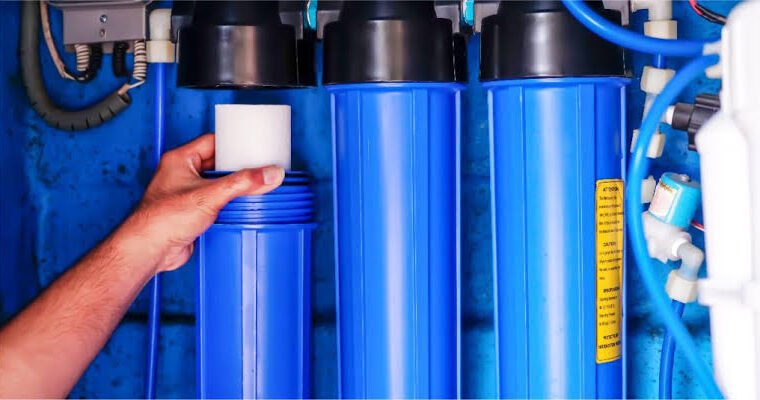
Traditional reverse osmosis systems often use a storage tank to hold treated water. Tankless RO systems take a different approach by producing filtered water on demand and using a more compact design.
For homeowners with limited cabinet space, that can be a major advantage. There is no large storage tank taking up valuable room beneath the kitchen sink, and many tankless models are designed to provide faster water production than older conventional systems.
Some modern units also include digital indicators that show filter life or system status, which makes maintenance easier to track.
Still, tankless doesn’t automatically mean better for everyone. These systems can require adequate water pressure and electricity, and replacement filters remain part of ownership. The best choice depends on your household’s water consumption and the specific system’s performance.
Understanding Salt-Free Water Treatment
Hard water is one of the most common reasons homeowners investigate treatment systems. Calcium and magnesium can leave scale on fixtures, appliances, shower doors, and plumbing components.
Traditional water softeners use salt-based ion exchange to remove hardness minerals. Salt-Free Water Systems, on the other hand, generally use conditioning technologies that aim to change how minerals behave rather than remove calcium and magnesium from the water.
That’s an important distinction.
A salt-free conditioner should not automatically be described as a replacement for a conventional softener in every situation. If your goal is true hardness reduction, you need to understand what the particular technology actually does.
For homeowners interested in reducing scale while avoiding salt use, however, a properly selected salt-free system may be an appealing option.
Why Ultraviolet Treatment Gets Attention
Not every water-quality concern is about minerals or taste.
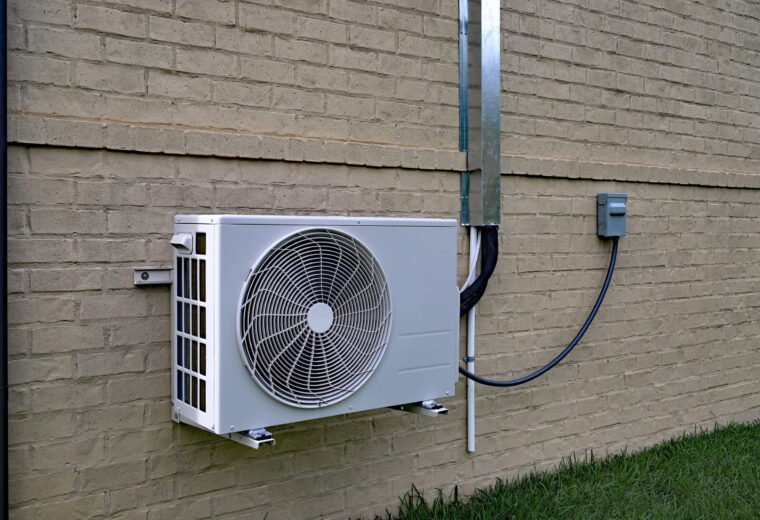
Private well owners, in particular, may need to think about microorganisms. In those situations, Water Disinfection / Ultra-Violet technology can be useful because UV systems use ultraviolet light to inactivate certain microorganisms as water passes through the treatment chamber.
UV treatment doesn’t work like a conventional filter. It doesn’t physically remove sediment or dissolved chemicals. Instead, it targets microorganisms under appropriate operating conditions.
That’s why pretreatment can matter. Sediment or cloudy water may interfere with UV performance, and systems need to be properly sized and maintained.
UV lamps also require periodic replacement, even when the light still appears to be working. Following the manufacturer’s maintenance schedule is important.
Filtration and Conditioning Can Work Together
Homeowners sometimes feel they need to choose exactly one treatment method. That’s not always the case.
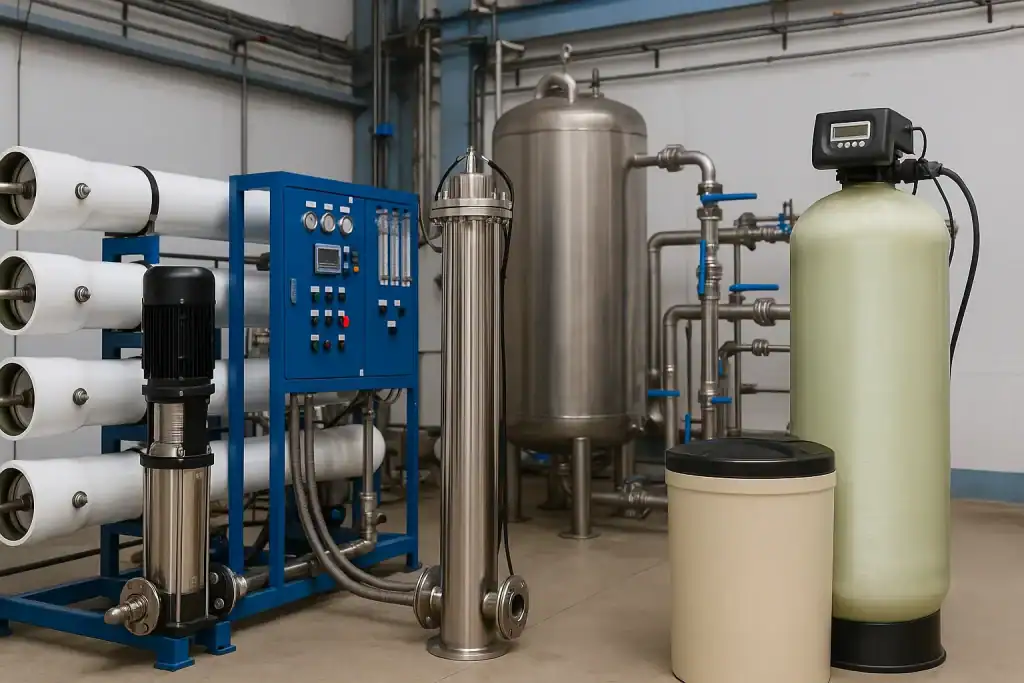
A home with hard well water and microbial concerns, for example, may need multiple stages of treatment. Sediment filtration can remove particles, conditioning or softening can address hardness, and UV can provide microbial disinfection.
Similarly, a household may use whole-home treatment for general water quality and a separate reverse osmosis system at the kitchen sink for drinking and cooking.
Think of water treatment as a system rather than a single magic device. Different technologies can have different jobs.
Consider the Cost Beyond Installation
The price tag on the equipment is only part of the story.
Ask how often filters need replacing. Find out whether UV lamps require annual changes. Check whether the system uses electricity, salt, or other consumables. Consider professional servicing and the availability of replacement parts.
A system that costs less today can become expensive if its filters are unusually costly or difficult to source.
Likewise, a more advanced system may be worthwhile if it offers easier maintenance and better long-term performance for your household.
Look at the total ownership cost, not just the number on the initial quote.
Water Pressure and Flow Rate Matter
This is one of those details that doesn’t sound important until you experience the consequences.
Whole-home treatment systems need to accommodate the amount of water your household uses. If several fixtures operate simultaneously, an undersized system may restrict flow or reduce pressure.
Tankless RO systems have their own flow considerations, especially when multiple people need drinking water around the same time.
When comparing equipment, look beyond filtration claims. Check flow rates, operating pressure requirements, capacity, and installation specifications.
Maintenance Is Part of Water Quality
Even the best equipment can’t maintain water quality if it is ignored.
Filters gradually collect contaminants. UV lamps lose effectiveness over time. Conditioning systems may require periodic inspection or media replacement.
Create a simple maintenance schedule when the system is installed. Mark filter replacement dates on your calendar or use the manufacturer’s monitoring features when available.
It takes only a few minutes to stay organized, and it can prevent performance from quietly declining.
Making the Choice Without Overthinking It
Choosing a water treatment system doesn’t require becoming a plumbing expert.
Start with a water test. Identify the specific concern. Learn what each technology actually does. Then compare installation requirements, maintenance, operating costs, and long-term performance.
Don’t be persuaded simply because a system sounds more sophisticated. “Advanced” isn’t the same as “appropriate.”
A compact tankless RO unit may be perfect for one kitchen. A salt-free conditioner may suit another household’s priorities. A UV disinfection system could be essential for a property with specific microbial concerns.
The best water treatment plan is the one built around your actual water.
Better Water Comes From Better Decisions
There is no universal solution that belongs in every home. Water quality varies, household needs vary, and budgets vary too.
What matters is taking the time to understand those differences.
When you choose equipment based on testing, realistic usage, proper sizing, and honest maintenance expectations, water treatment becomes much less mysterious. You don’t need the biggest system or the most features. You need the right tools doing the right jobs.
And once those systems are properly installed and maintained, the best part is that you probably won’t think about them very often.
The water simply works. Clean, convenient, dependable—and quietly doing its job every day.

Admin
Contributor at Readnify covering useful ideas, practical context and emerging stories.
Bring your expertise to Readnify.
We welcome original, useful guest contributions that help readers make better decisions.