
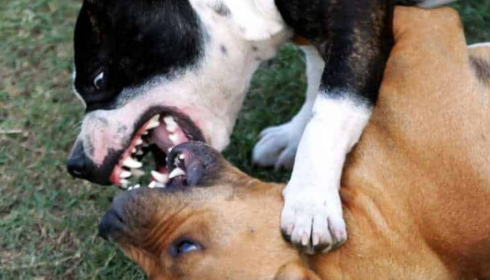
Fear is one of the most misunderstood causes of dog behavior problems. Many dogs that bark, lunge, growl, hide, or refuse to listen are not being stubborn or dominant they are afraid. Understanding fear is the first step to changing behavior safely and effectively. For dog owners searching for fear based dog training Phoenix, learning how fear affects behavior can make a major difference in your dog’s progress and overall quality of life.
Fear-based behavior often comes from past experiences, lack of socialization, or genetic temperament. Without the right training approach, fear can turn into aggression, anxiety, or severe reactivity. The good news is that with the right methods, fearful dogs can become calm, confident, and responsive.
Understanding Fear-Based Behavior in Dogs
Fear-based behavior happens when a dog feels unsafe or threatened. Dogs respond to fear using survival instincts known as fight, flight, or freeze. This is why some dogs bark and lunge, while others hide or refuse to move.
Common fear-based behaviors include:
- Growling or snapping
- Barking at strangers or other dogs
- Hiding behind the owner
- Pulling away on leash
- Trembling or pacing
- Avoiding eye contact
- Refusing to walk in certain areas
These behaviors are not signs of a bad dog. They are signs of a dog that is trying to protect itself or escape a stressful situation.
Common Causes of Fear in Dogs
Understanding the cause of fear helps create a better training plan. Fear can develop from many situations, including:
- Poor early socialization
- Traumatic experiences
- Abuse or neglect
- Loud environments or busy streets
- Negative experiences with other dogs
- Sudden changes in environment
- Genetic temperament
- Being separated from litter too early
In a large city environment like Phoenix, dogs are exposed to traffic, crowds, bicycles, strangers, and other dogs regularly, which can be overwhelming for fearful dogs.
Why Punishment Does Not Work for Fearful Dogs
One of the biggest mistakes owners make is punishing fear-based behavior. While punishment may stop the behavior temporarily, it usually makes the fear worse.
When punishment is used:
- The dog becomes more anxious
- The dog may become aggressive faster
- Trust between dog and owner decreases
- The dog learns that scary things are followed by punishment
- Behavior becomes unpredictable
Fear cannot be trained away through force. Fear must be replaced with confidence and positive experiences.
This is why modern fear based dog training Phoenix focuses on behavior modification, confidence building, and trust rather than punishment.
The Foundations of Fear-Based Dog Training
There are several proven methods used to help fearful dogs improve their behavior safely.
1. Desensitization
Desensitization means slowly exposing a dog to something they fear at a low level that does not trigger a reaction. Over time, the dog becomes more comfortable.
Example:
If a dog is afraid of strangers, start by letting the dog see people from far away while remaining calm.
2. Counterconditioning
Counterconditioning means changing the dog’s emotional response by pairing something scary with something positive like treats or toys.
Example:
Every time the dog sees another dog, they receive a high-value treat. Eventually, the dog starts associating other dogs with rewards instead of fear.
3. Threshold Training
Every dog has a threshold the point where they become too scared to listen or learn. Training must happen before the dog reaches that point.
If a dog is barking and lunging, they are already over threshold and cannot learn in that moment.
4. Confidence Building
Confidence building is one of the most important parts of training fearful dogs. Activities that help include:
- Obedience training
- Agility obstacles
- Puzzle toys
- Structured walks
- Learning new commands
- Controlled socialization
Practical Training Tips for Fearful Dogs
Owners can start helping fearful dogs immediately by changing how they handle situations.
Training Tips That Work
- Do not force your dog into scary situations
- Reward calm behavior immediately
- Keep training sessions short and positive
- Maintain a consistent routine
- Use calm voice and body language
- Allow your dog space when they are nervous
- Introduce new environments slowly
- Use high-value treats during exposure training
Consistency is more important than speed. Slow progress is still progress.
Building Confidence in Public Spaces
One of the most common challenges fearful dogs face is handling busy environments such as sidewalks, parks, patios, or shopping areas. These environments include unfamiliar people, noises, movement, and unpredictable situations that can easily overwhelm a fearful dog. Instead of avoiding these environments completely, training should focus on building confidence gradually and safely.
Step-by-Step Confidence Training in Public Areas
- Start in a quiet environment with minimal distractions such as a calm street or empty park.
- Reward your dog for calm behavior and for checking in with you during the walk.
- Introduce mild distractions like distant people, bicycles, or cars while rewarding calm responses.
- Gradually move to slightly busier environments over multiple training sessions.
- If your dog becomes nervous or reactive, move farther away until they relax again.
- End every session on a positive note so the dog associates public outings with good experiences.
This structured approach teaches dogs that new environments are safe and manageable rather than overwhelming. Over time, fearful dogs learn to stay calm, focus on their handler, and move confidently through everyday situations.
The goal is not to rush the dog into busy environments but to slowly build confidence so the dog learns they can handle new experiences without fear.
Mistakes Owners Should Avoid
Many owners accidentally slow progress by making common training mistakes.
Common Mistakes Include:
- Forcing dogs to face fears too quickly
- Punishing barking or growling
- Inconsistent rules at home
- Skipping daily training
- Going to crowded areas too soon
- Allowing strangers to approach a fearful dog
- Not rewarding calm behavior
- Expecting fast results
Fear-based training takes time, patience, and consistency.
Signs Your Dog Is Improving
Progress may be slow, but there are clear signs that training is working.
Look for:
- Less barking or lunging
- Faster recovery after seeing a trigger
- More eye contact with owner
- Willingness to explore new places
- Relaxed body language
- Improved focus during walks
- Less hiding or avoidance
- Increased confidence
Small improvements are important and should be rewarded.
Building Confidence in Fearful Dogs
Confidence building should be part of daily life, not just training sessions.
Confidence Building Activities
- Teach new commands
- Use puzzle feeders
- Practice place training
- Structured walks with rules
- Agility obstacles like small jumps or platforms
- Controlled socialization
- Nose work games
- Training drills with rewards
Confident dogs are less fearful because they understand how to handle new situations.
Long-Term Success With Fear-Based Training
Fear-based training is not a quick fix. It is a process that focuses on changing how a dog feels, not just how a dog behaves.
Long-term success comes from:
- Consistency
- Patience
- Positive reinforcement
- Controlled exposure
- Clear communication
- Structured routines
- Ongoing training
- Building trust
Dogs that complete fear-based training often become more obedient, calmer, and more connected to their owners.
Helping Fearful Dogs Build Confidence for Life
Fear-based behavior is one of the most common reasons dogs develop aggression, anxiety, and reactivity. The most important thing to remember is that fearful dogs are not trying to misbehave they are trying to feel safe. When fear is misunderstood or handled incorrectly, behavior problems often become worse over time. When fear is handled properly, however, dogs can learn to feel confident, calm, and secure in situations that once scared them.
Using the right approach to fear based dog training Phoenix can completely change a dog’s behavior and quality of life. Instead of reacting with fear, dogs learn to stay calm, trust their owner, and handle new situations with confidence. This type of training focuses on communication, structure, and positive experiences that help dogs feel safe rather than threatened.
With patience, proper training methods, and consistency, even very fearful dogs can improve dramatically. Training is not about forcing dogs to face their fears it is about teaching them that the world is safe, predictable, and full of positive experiences. This is the foundation of the training approach used by Rob’s Dog Training, where the focus is on building trust, confidence, and long-term behavior change rather than temporary fixes.

Admin
Contributor at Readnify covering useful ideas, practical context and emerging stories.
Bring your expertise to Readnify.
We welcome original, useful guest contributions that help readers make better decisions.