Most homeowners spend a lot of time thinking about comfort. They upgrade mattresses, invest in better lighting, install air purifiers, repaint rooms, and obsess over kitchen appliances. But water? Water tends to stay invisible until there’s a noticeable problem.
And honestly, that’s understandable. Water quietly moves through the background of daily life. You turn on the faucet, fill a pot for dinner, start the washing machine, take a shower, and move on with your day. It’s routine. Familiar.
But when the water starts tasting strange, leaving stains on fixtures, or making your skin feel dry after every shower, suddenly it gets your attention very quickly.
That shift in awareness is happening in homes everywhere right now. More people are beginning to understand that water quality affects far more than just what ends up in a glass.
Water Problems Are Often Easy to Miss
The tricky thing about poor water conditions is how gradually the effects appear. It’s rarely dramatic in the beginning.
You may notice cloudy dishes coming out of the dishwasher. Soap that doesn’t rinse properly. White buildup around faucets. Laundry that feels stiff no matter which detergent you buy. Sometimes there’s an odd smell you can’t quite identify, especially first thing in the morning.
These things become “normal” over time because people adapt to them slowly. But often, they point toward larger issues connected to overall water quality inside the home.
Hard minerals, chlorine, sediment, iron, and other impurities can affect everything from plumbing systems to appliance efficiency. Some issues are mostly cosmetic. Others quietly shorten the lifespan of expensive household equipment.
And once homeowners realize how connected water is to daily comfort, they usually start paying much closer attention.
Why Filtration Systems Have Become More Popular
There’s definitely been a growing interest in home filtration over the past several years, and not just because of health concerns. Convenience and overall home maintenance play a huge role too.
People want water that tastes clean, feels comfortable, and causes fewer long-term problems. That doesn’t necessarily mean they expect perfection. They just want consistency.
Modern filtration systems are much more advanced than older generations. They’re quieter, more efficient, and designed around specific household needs instead of generic one-size-fits-all solutions.
Some homes mainly struggle with hard minerals. Others deal with chlorine taste or sediment. Rural properties using well water may face entirely different challenges compared to city homes connected to municipal systems.
That’s why proper testing matters so much before choosing equipment.
Whole-Home Systems Change More Than Drinking Water
A lot of homeowners initially focus only on kitchen drinking water. Then they start learning how much untreated water affects the rest of the house too.
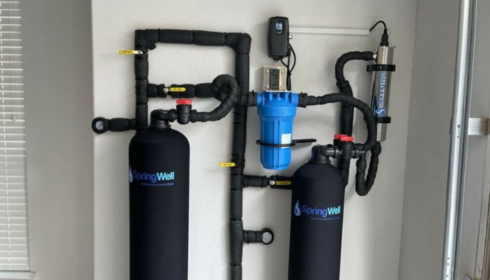
That’s where whole house filtration systems often become appealing. Instead of filtering water at a single faucet, these setups treat water throughout the home — showers, laundry, bathrooms, kitchen sinks, and appliances included.
And surprisingly, the benefits go well beyond taste.
People often mention softer-feeling skin after showers. Cleaner dishes. Reduced mineral staining. Less soap residue. Some even notice that their clothes feel better after washing.
It’s one of those upgrades that quietly improves multiple parts of daily life at once.
Understanding What Might Be in Your Water
One reason homeowners are becoming more proactive is because many people now understand that not all water issues are visible.
Some contaminants affect taste or smell immediately, while others are practically impossible to notice without testing. Sediment, chlorine byproducts, bacteria, dissolved metals, and mineral imbalances can vary significantly depending on local infrastructure and water sources.
That doesn’t mean everyone should panic about their tap water. In many places, municipal water systems meet safety standards just fine. But “safe” doesn’t always mean ideal for long-term comfort, appliance protection, or personal preference.
And honestly, people simply like having more control over what enters their homes.
There’s something reassuring about knowing your water has been properly filtered before your family drinks it, cooks with it, or bathes in it every day.
Maintenance Matters More Than Fancy Features
One thing that surprises many homeowners is that the best filtration setup isn’t always the biggest or most expensive one.
A properly sized, professionally installed system tailored to actual water conditions will usually outperform oversized equipment chosen without testing. Simpler systems can work extremely well when they’re matched correctly to the problem.
Maintenance matters too, of course. Filters eventually need replacement, and systems should be checked occasionally to ensure they continue operating efficiently. But modern filtration units are generally far easier to maintain than older systems people may remember from years ago.
Many are designed specifically with homeowner convenience in mind.
Better Water Quietly Improves Everyday Living
The interesting thing about improving water at home is that the benefits rarely arrive in one dramatic moment. Instead, life just slowly starts feeling easier.
Your coffee tastes more balanced. Appliances seem to run smoother. Showers become more comfortable. Faucets stay cleaner longer. Laundry feels softer. You stop buying cases of bottled water because the tap suddenly tastes good enough on its own.
These are small things individually. Yet together, they change how a home feels day to day.
And maybe that’s why so many homeowners are finally treating water quality as part of overall wellness and home care instead of just another utility service.
Because when the water improves, everything connected to it tends to improve quietly alongside it — often in ways people don’t fully appreciate until they experience the difference themselves.

Admin
Contributor at Readnify covering useful ideas, practical context and emerging stories.
Bring your expertise to Readnify.
We welcome original, useful guest contributions that help readers make better decisions.