
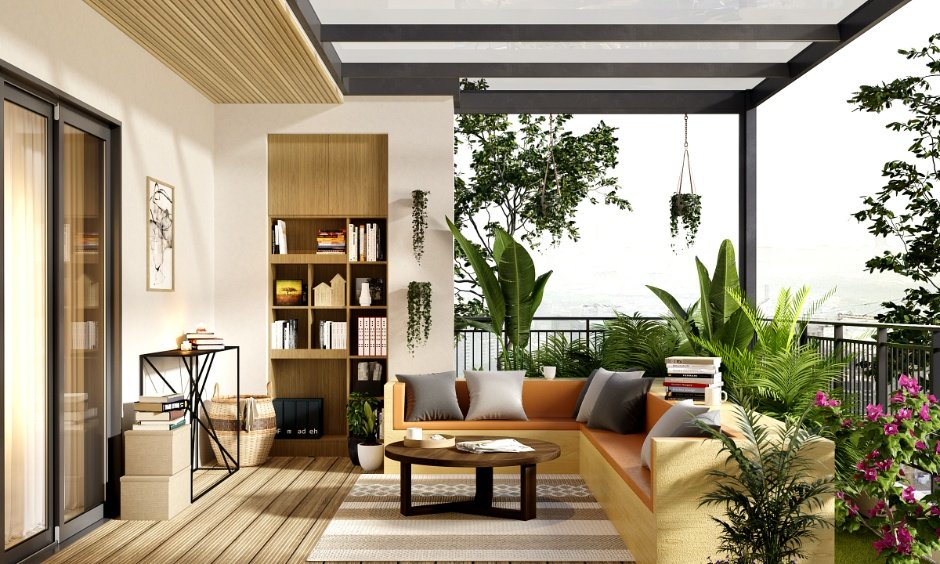
Building a home is exciting, but if we’re being honest, it can also feel overwhelming. There are dozens of decisions waiting around every corner, and it’s surprisingly easy to get caught up in trends, Pinterest boards, or advice from well-meaning friends. Before long, the original vision that felt so clear starts getting buried beneath endless choices.
The truth is, a great home isn’t defined by expensive materials or magazine-worthy rooms. It’s defined by how naturally it supports everyday life. The kitchen where everyone somehow ends up during family gatherings. The quiet corner where you enjoy your morning coffee. The hallway that never feels crowded, even on busy weekdays.
Those little moments matter more than people often realize. Designing a home with those experiences in mind creates something far more valuable than a beautiful building—it creates a place that genuinely feels like home.
Every Home Begins with a Personal Story
No two families live exactly the same way, so why should every home follow the same blueprint?
Some households need flexible workspaces because remote work has become part of daily life. Others dream about spacious entertaining areas where birthdays, holidays, and casual weekend dinners naturally come together. Growing families may need practical storage solutions, while retirees often prioritize comfort, accessibility, and low-maintenance living.
The best design decisions usually come from asking simple questions rather than chasing complicated ideas.
How does your family spend weekends?
Where do guests naturally gather?
Which room do you use the most?
What small frustrations do you experience in your current home?
Answering those questions honestly often reveals what matters most.
Looking Beyond Temporary Trends
Design trends change faster than most people expect.
A color palette that’s everywhere this year may quietly disappear a few years later. Furniture styles evolve. Flooring preferences shift. Even kitchen layouts continue changing as lifestyles adapt.
That’s why timeless design almost always outlasts trend-driven decisions.
Natural materials, practical layouts, generous natural light, and balanced proportions rarely lose their appeal. They’re comfortable because they support the way people actually live instead of simply looking impressive in photographs.
Choosing long-term comfort over short-term popularity usually leads to a home that feels just as welcoming years down the road.
Choosing finish selections That Age Gracefully
One of the most enjoyable stages of homebuilding is choosing the details that give each room its personality.
Cabinets, flooring, countertops, lighting fixtures, hardware, paint colors, and tile all contribute to the overall atmosphere. These finish selections don’t simply decorate a home—they influence how every space feels day after day.
It’s tempting to choose everything based on what’s currently fashionable, but durability deserves equal attention.
For example, matte surfaces may hide fingerprints better in busy kitchens. Hardwood flooring often develops character over time instead of looking worn out. Neutral finishes create flexibility when furniture or décor changes later.
Small decisions like these quietly improve everyday living without drawing attention to themselves.
Why custom home interiors Feel Different
Walk into a thoughtfully designed custom home, and there’s often something difficult to explain.
Nothing feels forced.
The furniture fits comfortably. Natural light seems intentional. Storage appears exactly where it’s needed. Rooms flow naturally into one another instead of feeling disconnected.
That’s the beauty of custom home interiors.
Rather than trying to squeeze everyday life into predetermined spaces, custom interiors are shaped around the people who will actually use them. A passionate home cook may prioritize a larger pantry and generous prep space. A family with young children might value durable materials and open sightlines. Someone who loves reading may create a quiet library tucked away from the busiest parts of the home.
These aren’t extravagant features—they’re personal solutions.
And personal solutions tend to age much better than generic ones.
Function Often Becomes the Most Beautiful Feature
When people imagine beautiful homes, they usually picture elegant furniture, impressive lighting, or luxurious finishes.
Yet some of the most appreciated design features are surprisingly ordinary.
Wide walkways.
Convenient storage.
Comfortable seating arrangements.
Well-placed windows.
Thoughtful lighting.
A laundry room that’s actually pleasant to use.
These practical choices don’t always stand out during a tour, but homeowners notice them every single day.
Real luxury often comes from convenience rather than extravagance.
Following a thoughtful design process Makes Every Decision Easier
It’s easy to think home design is about making hundreds of separate decisions.
In reality, successful projects usually follow a thoughtful design process where each choice supports the overall vision instead of competing with it.
Instead of selecting materials randomly, homeowners begin with their lifestyle, priorities, budget, and long-term goals. Every decision—from room layouts to lighting fixtures—builds upon that foundation.
This approach reduces costly changes later because decisions feel connected rather than rushed.
Perhaps even more importantly, it creates confidence. Homeowners stop second-guessing every choice because they understand how each element contributes to the bigger picture.
Designing for Everyday Living
A home shouldn’t feel like a museum.
Children should feel comfortable playing on the floor. Pets should have room to stretch out beside the sofa. Friends shouldn’t worry about placing a coffee cup on the table.
The most inviting homes embrace everyday life rather than trying to avoid it.
Easy-to-clean surfaces, durable fabrics, flexible furniture arrangements, and smart storage all help create spaces that remain attractive without demanding constant attention.
Ironically, homes designed for real life often feel warmer and more welcoming than perfectly staged interiors.
Thinking About the Future Today
One of the smartest design habits is planning for changes that haven’t happened yet. Families grow. Children become teenagers. Parents move in. Remote work becomes permanent. Hobbies evolve.
A flexible floor plan allows a home to adapt without requiring major renovations. A guest bedroom can later become a nursery, office, hobby room, or private retreat. Open spaces can easily accommodate changing furniture and family needs over time.
Designing with flexibility doesn’t limit creativity—it extends the home’s usefulness for years to come.
The Little Details Are What You’ll Remember
Years after construction is complete, homeowners rarely spend much time thinking about the exact tile pattern they selected or the brand of cabinet hardware they installed.
Instead, they remember how the morning sunlight fills the breakfast nook.
They appreciate having enough storage during the holidays.
They notice how naturally conversations happen in the kitchen while dinner is cooking.
Those experiences become the real measure of successful design.
Building More Than Just a House
At its heart, homebuilding isn’t really about walls, roofs, or square footage. It’s about creating an environment that quietly supports the life you want to live.
The most memorable homes aren’t always the largest or the most expensive. They’re the ones where every room feels intentional, every space serves a purpose, and every detail reflects the people who live there.
When careful planning, timeless choices, and personal priorities come together, the result is something that feels remarkably effortless. A home doesn’t need to impress everyone who walks through the front door. It only needs to feel exactly right for the people coming home each day.
And in the end, that’s what makes a house worth building—not perfection, but the feeling that it truly belongs to you.

Admin
Contributor at Readnify covering useful ideas, practical context and emerging stories.
Bring your expertise to Readnify.
We welcome original, useful guest contributions that help readers make better decisions.