Few household problems are as irritating as a drain that refuses to clear. You run the tap, watch the water rise, and wait for it to disappear. Nothing happens. Perhaps the toilet has started gurgling, or a bad smell keeps coming from the shower even after you’ve cleaned it. At that point, it’s tempting to try anything that promises a quick fix.
But blocked drains aren’t all caused by the same things, and the most effective solution depends on what’s happening inside the pipe. A simple clog near the sink may need little more than a basic tool, while a recurring sewer blockage could point to roots, damaged pipework, or years of accumulated debris.
Knowing the difference helps you avoid unnecessary expense and makes it easier to choose a repair that lasts. Sometimes the answer is straightforward cleaning. In other cases, a closer inspection is the smartest place to start.
Why Drain Blockages Keep Coming Back
Most household drains deal with a steady stream of material that doesn’t always wash away cleanly. Kitchen pipes collect cooking grease, food particles, and soap residue. Bathroom drains catch hair, shampoo deposits, and other debris. Gradually, these materials cling to pipe walls and restrict the flow of wastewater.
The first sign is often a sink that drains a little more slowly than usual. People tend to ignore it because the water eventually disappears. Then the problem returns, usually at a less convenient time.
Repeated blockages may indicate that the original obstruction wasn’t completely removed. They can also point to a deeper issue, such as a damaged joint, a sagging section of pipe, or tree roots entering an underground sewer line.
Pay attention to how many fixtures are affected. If one bathroom sink is slow, the blockage may be close to the drain opening. If several drains begin backing up together, the main drainage line may need professional attention.
Understanding these clues is more useful than repeatedly treating the symptoms and hoping for a different result.
When a Drain Auger Is the Right Choice
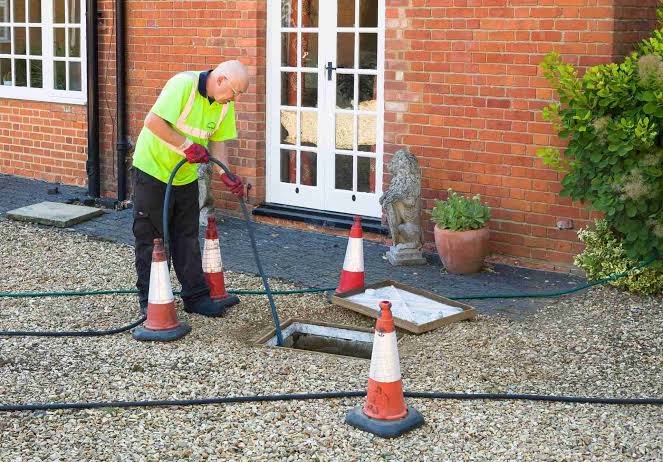
For many ordinary blockages, a mechanical drain auger is a practical option. Also known as a drain snake, this tool uses a flexible cable to reach into a pipe and break apart or retrieve material that’s preventing water from flowing.
A small, suitable auger can sometimes clear hair near a bathroom drain or dislodge a blockage farther down a household pipe. Professional plumbers use different types of equipment depending on the pipe diameter, obstruction, and distance involved.
The important consideration is safe augering. Using the wrong tool or applying excessive force can damage delicate fittings, scratch certain fixtures, or worsen an existing problem. Some pipes are particularly vulnerable because of their age, material, or condition.
If you try a basic manual tool yourself, follow the manufacturer’s instructions and stop if you encounter unusual resistance. Never force a cable into a drain simply because it won’t move forward. Chemical drain cleaners can also create hazards if someone later attempts mechanical clearing without knowing what’s in the pipe.
When a blockage keeps returning or appears to be deep in the system, a qualified plumber can determine whether augering is appropriate or whether another method would work better.
How Hydro-Jetting Handles Heavy Buildup
Sometimes a drain is technically open but still struggles to carry wastewater. Grease, sludge, mineral deposits, and organic material may have accumulated along the pipe walls, leaving a narrower passage for water.
In suitable plumbing systems, hydro-jetting uses specialised equipment to send high-pressure water through the line. The water breaks up and flushes away many types of buildup, helping clean the pipe’s interior rather than simply creating a small opening through the obstruction.
This method can be especially useful in commercial kitchens, busy properties, and drainage systems that experience recurring grease or debris problems. It’s also sometimes used for sewer lines when an inspection indicates that substantial buildup is restricting flow.
However, high-pressure cleaning isn’t appropriate for every pipe. Severely corroded, cracked, fragile, or otherwise damaged plumbing may be unable to withstand the process safely. A responsible plumber should assess the line before deciding whether hydro-jetting is suitable.
It’s worth remembering that cleaning cannot fix every structural fault. If roots are entering through a broken joint, for instance, the blockage may return even after the pipe has been thoroughly cleaned. In that situation, repairing the damaged section may be the more sensible long-term choice.
Finding Hidden Damage Before Repairing It
Underground sewer pipes can be difficult to assess because they’re often buried beneath gardens, driveways, paving, or building foundations. Digging without knowing the precise location of the problem can create unnecessary disruption.
A sewer camera inspection allows a plumber to examine the inside of an accessible pipe using a specialised waterproof camera. The footage may reveal cracks, root intrusion, displaced joints, heavy buildup, or other visible defects.
This information helps distinguish a blockage that needs cleaning from a damaged pipe that requires repair. It also gives homeowners an opportunity to ask specific questions about the recommended work.
Camera inspections have limitations. Standing water, heavy debris, and inaccessible sections can affect visibility, and some defects may require further assessment. Still, an inspection can provide valuable evidence before an expensive repair begins.
If you’ve paid to clear the same drain several times in a short period, asking whether a camera inspection is appropriate could save you from repeating a temporary fix.
When Spot Repair Makes More Sense Than Replacement
Discovering a damaged sewer pipe doesn’t necessarily mean the entire line must be replaced. The right approach depends on the location, severity, and extent of the damage, as well as the pipe’s overall condition.
In some situations, spot repair can address a localised problem without replacing a long section of pipe. For example, a single damaged joint or isolated break may be repairable while the remaining pipework is still in reasonable condition.
This can reduce excavation, disruption to landscaping, and the amount of material that needs replacing. For homeowners, that may mean less mess and a more manageable repair project.
Spot repair isn’t always the best option, though. If the pipe has widespread corrosion, several damaged sections, or a recurring structural problem, repairing one area may only delay a larger replacement. Access conditions and local plumbing requirements also influence what’s possible.
Ask the plumber to explain the evidence supporting the proposed repair. Find out whether the damaged area has been identified clearly, what the repair involves, and whether nearby sections show signs of deterioration. A written estimate should outline the work and any likely additional costs.
The aim is not simply to choose the cheapest option, but to avoid paying for more work than necessary while still resolving the problem properly.
Preventing Another Blockage
Good drain maintenance starts with small habits. Keep cooking grease, coffee grounds, and food scraps out of kitchen drains. Use hair catchers in showers, and avoid flushing wipes or other unsuitable products down toilets.
Clean accessible strainers regularly and pay attention to recurring smells, slow drainage, or unexplained gurgling. These signs don’t always indicate serious trouble, but they’re worth investigating when they persist.
If your property has mature trees near the sewer line or a history of repeated backups, ask a plumbing professional whether periodic inspections make sense. Maintenance needs vary according to pipe materials, age, household usage, and local conditions.
Also, know where your main water shut-off valve is located. It won’t solve a blocked sewer line, but knowing how to stop a separate water leak can help limit damage during a plumbing emergency.
Choosing a Fix That Lasts
Blocked drains can be inconvenient, but the right response doesn’t have to be complicated. A suitable auger may clear a simple obstruction, hydro-jetting can remove heavy buildup in appropriate pipes, and a targeted repair may resolve isolated damage.
The crucial step is identifying the cause before committing to a solution. If blockages keep returning, don’t settle for another temporary fix without asking why the problem persists.
With sensible habits, timely inspections, and a qualified plumber’s advice when needed, you can protect your drainage system and avoid many unnecessary repairs. After all, the best plumbing solution is the one that gets your home back to normal—and keeps it that way.

Admin
Contributor at Readnify covering useful ideas, practical context and emerging stories.
Bring your expertise to Readnify.
We welcome original, useful guest contributions that help readers make better decisions.