Most homes have a few little problems that people get used to over time. A faucet with white buildup around the edge. A shower door that never quite looks clean. Towels that feel a bit rough even after washing. Dishes that come out of the dishwasher with cloudy spots.
Individually, these things seem small. Annoying, yes, but not urgent. Still, when they all happen together, they often point to one common cause: hard water. And once homeowners understand how much water quality affects daily life, it becomes hard to ignore.
Why Hard Water Creates So Much Trouble
Hard water contains minerals like calcium and magnesium. These minerals are picked up naturally as water moves through underground rock and soil. They are common in many areas, and most people don’t think much about them until they start seeing the results.
Mineral buildup can settle on faucets, showerheads, sinks, tubs, and glass. It can also collect inside plumbing and appliances where you can’t easily see it. Soap may not lather well. Shampoo may feel harder to rinse out. Laundry can feel stiff. Even your favorite black shirt might come out looking dull sooner than it should.
These little frustrations add up, and that’s where the real value of softening water begins.
Small Changes You Can Feel Every Day
One of the biggest soft water benefits is how noticeable it can be in regular routines. Showers often feel cleaner. Soap and shampoo rinse away more easily. Skin may feel less dry, and hair can feel softer because it is not dealing with the same mineral residue.
Laundry is another place where people tend to notice a difference. Clothes and towels may come out softer, and detergent can work more effectively. You may not need to use as much soap to get the same clean feeling, which is a nice bonus. No one complains about using less detergent.
Even cleaning gets easier. When hard minerals are reduced, sinks, fixtures, and shower doors do not collect the same stubborn white spots so quickly. That means less scrubbing, fewer harsh cleaners, and fewer moments of wondering why the bathroom looks dirty right after you cleaned it.
How Water Quality Affects Appliances
Water runs through more equipment in the home than most people realize. Water heaters, dishwashers, washing machines, coffee makers, ice machines, and even humidifiers all depend on water every day.
When that water is hard, minerals can build up inside these appliances. This may reduce performance over time and cause parts to wear faster. A dishwasher may leave spots on glasses. A washing machine may struggle to rinse clothes fully. A water heater may need to work harder because scale can form around heating elements or inside the tank.
That is why appliance protection is such an important reason to consider better water treatment. It is not only about comfort. It is about helping expensive household systems last longer and perform the way they should.
The Hidden Cost of Mineral Buildup
Hard water often costs money in quiet ways. More detergent. More cleaning products. More bottled water if the tap water tastes unpleasant. More maintenance when appliances lose performance. It doesn’t always feel like one big bill, but it can slowly stretch the household budget.
Scale buildup can also affect energy use, especially with water heaters. When minerals collect inside the system, the heater may need more effort to produce the same amount of hot water. That extra strain is easy to overlook until utility bills rise or repairs become necessary.
Better water treatment can help reduce these hidden costs by lowering the mineral load moving through the home.
A More Efficient Home Starts with Water
The idea of improved efficiency sounds technical, but in a home it simply means things work better with less waste. Soap cleans faster. Appliances do not fight as much buildup. Water heaters can operate with less strain. Cleaning takes less time.
This is one reason many homeowners see water treatment as a practical investment rather than a luxury. It supports the home in the background, quietly improving the way everyday systems perform.
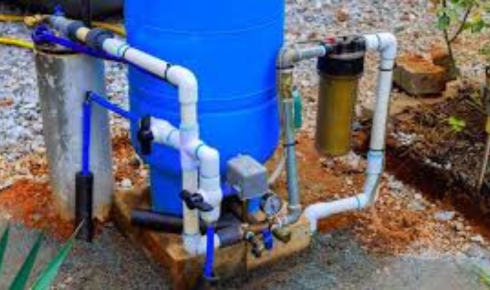
Of course, the right solution depends on the home. A proper water test can show the hardness level and reveal whether there are other issues, such as chlorine taste, sediment, iron, or odor. From there, a suitable system can be recommended instead of guessing.
Choosing the Right Water Treatment System
Not every home needs the same setup. Some households mainly need a water softener to reduce hardness. Others may benefit from filtration or a more complete water refining system. The best choice depends on the water source, household size, plumbing layout, and the specific problems showing up.
Professional guidance helps here. A knowledgeable technician can explain the options clearly, size the system correctly, and make sure installation is done properly. Good equipment matters, but correct installation matters just as much.
Better Water Makes Home Feel Easier
Softened water may not be the flashiest home upgrade, but it is one that touches daily life again and again. It affects showers, laundry, cleaning, dishes, appliances, and even those small moments when you fill a glass or wipe down a faucet.
A home with better water simply feels easier to care for. Less buildup. Softer towels. Cleaner dishes. Smoother showers. Fewer little battles with stains and residue.
And sometimes, that is exactly what a home needs — not a dramatic change, just fewer everyday frustrations.

Admin
Contributor at Readnify covering useful ideas, practical context and emerging stories.
Bring your expertise to Readnify.
We welcome original, useful guest contributions that help readers make better decisions.