Most people don’t wake up thinking about how much water their home used yesterday. Fair enough. There are bills to pay, kids to get ready, coffee to make, laundry that somehow never ends. Water just runs in the background, quietly doing its job.
But that background use adds up. Showers, toilets, washing machines, dishwashers, irrigation, cleaning, cooking — each one takes its share. And when water quality is poor or a system is inefficient, the home may use more than it needs without anyone really noticing.
Water Use Is Easier to Manage When You Can See It
For a long time, homeowners only understood water usage after the bill arrived. By then, any waste had already happened. A slow leak, extra rinse cycles, inefficient softener regeneration, or an unnoticed running toilet could sit there quietly for weeks.
That is why smart tools like HydroLink technology are useful. They help bring more visibility to the way water is used and managed in the home. Instead of guessing, homeowners can get a clearer sense of patterns, system activity, and possible issues before they become bigger headaches.
Why Small Waste Matters
A little wasted water does not feel like much in the moment. One long shower. A faucet left running. A system cycling more than needed. But homes are full of repetition, and repetition is where waste becomes expensive.
Water waste can also affect energy use. Hot water requires heating. Appliances use electricity. Water heaters work harder when scale builds up. So poor water habits and poor water quality can quietly touch more than just the water bill.
Better Awareness Can Change Daily Habits
There is something practical about monitoring water usage because it turns invisible habits into real information. Once a household understands where water goes, it becomes easier to make smarter choices without feeling restricted.
Maybe the family notices irrigation is running too often. Maybe a water treatment system needs adjustment. Maybe laundry routines can be improved. The goal is not to obsess over every gallon. Nobody wants that. The goal is simply to stop waste from hiding in plain sight.
Good Water Quality Supports Efficiency
Water quality and water efficiency are connected more than people think. Hard water can leave scale inside appliances and pipes. Sediment can reduce flow. Iron can stain fixtures and create extra cleaning. Poorly treated water may lead to more detergent, more rinsing, and more maintenance.
When water is properly filtered, softened, or conditioned, the home can often run more smoothly. Appliances may perform better. Cleaning can become easier. Showers may feel more comfortable. These little improvements make the whole system feel less fussy.
Choosing Systems With the Environment in Mind
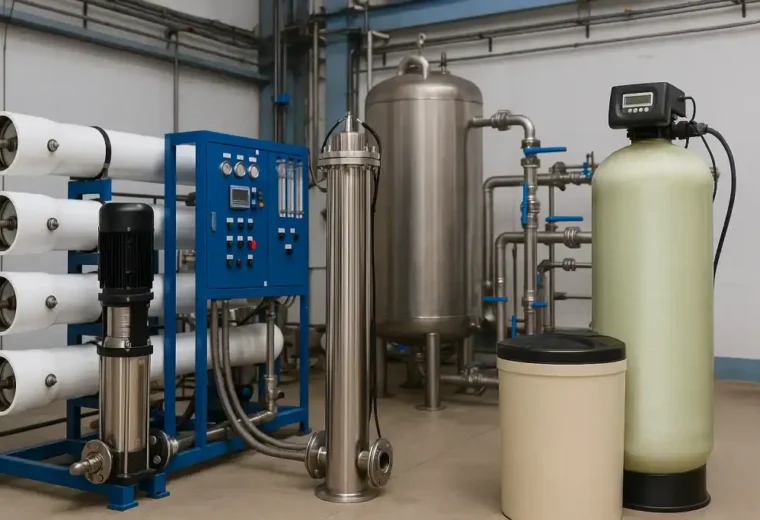
Many homeowners now want solutions that improve comfort without being wasteful. That is where eco-friendly systems come into the conversation. A thoughtful water treatment setup should aim to reduce unnecessary waste, support efficient operation, and still deliver the water quality the household needs.
This does not mean every home needs the most advanced equipment available. It means the system should fit the water, the plumbing, the household size, and the way people actually live. A well-matched solution is usually more efficient than a generic one.
Testing Comes Before Technology
Before choosing any system, water testing is still the sensible first step. Smart features are helpful, but they cannot replace knowing what is actually in the water. A home with hardness needs a different approach than one with iron, chlorine taste, sulfur odor, or sediment.
Testing gives the facts. From there, a professional can recommend equipment that makes sense, explain maintenance needs, and help homeowners understand how the system supports both quality and efficiency.
A Quieter, Smarter Way to Care for the Home
The best water upgrades do not make life complicated. They make it easier. You get better-tasting water, fewer stains, less scale, more reliable equipment, and a clearer picture of how water moves through the home.
Smart water management is not about becoming obsessed with numbers. It is about using better information to make better decisions. And when a home uses water more wisely, it feels good in a very ordinary way — less waste, fewer surprises, and water that simply works better every day.

Admin
Contributor at Readnify covering useful ideas, practical context and emerging stories.
Bring your expertise to Readnify.
We welcome original, useful guest contributions that help readers make better decisions.