There’s a kind of invisible comfort in turning on a tap and knowing water will be there—steady, predictable, almost taken for granted. You don’t pause to think about where it came from or how it got there. It just works.
But in many homes, especially those outside city systems, water doesn’t arrive by default. It’s moved, lifted, and delivered by a system that’s doing its job quietly, day after day. And at the center of that system is something most people don’t think about—until they have to.
When Water Doesn’t Just “Show Up”
If you’ve ever lived in a home that relies on its own supply, you’ll know this feeling. The water isn’t just there—it’s managed. There’s a rhythm to it, a process happening behind the walls or beneath the ground.
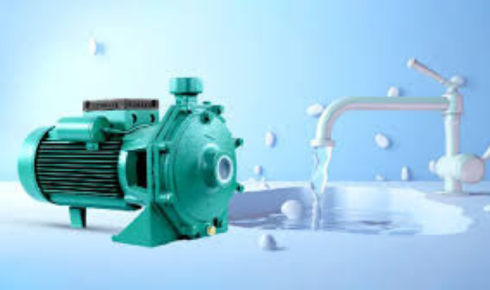
A water pump for house setups is what makes that possible. It takes water from a source—often underground—and pushes it into your plumbing system so it behaves like any other tap-connected supply. Without it, there’s no pressure, no flow, no convenience.
It’s not flashy. But it’s essential.
The Journey From Underground to Tap
Water sitting underground isn’t going to move on its own. That’s where systems come into play, drawing it up and making it usable.
A groundwater pump is designed specifically for that purpose. It works beneath the surface, often out of sight, pulling water from wells or aquifers and sending it upward. Depending on the depth and setup, this process can be surprisingly complex—but when it’s working properly, you’d never know.
You just turn the tap, and there it is.
That simplicity is what makes the system so easy to overlook. But behind it is a steady, mechanical effort that keeps everything running.
Not Just About Movement—About Consistency
Getting water into your home is one thing. Delivering it consistently is another.
A residential water pump isn’t just about moving water—it’s about maintaining a stable flow. Whether you’re running a single tap or using multiple fixtures at once, the system is designed to keep pressure steady.
That balance matters more than people realize. Too little pressure, and everything feels slow and frustrating. Too much, and you risk damaging pipes or appliances. The pump, often working alongside pressure tanks and switches, keeps everything in that comfortable middle zone.
And when it does, you don’t notice anything at all.
The Small Signs That Matter
Most pump systems don’t fail suddenly. They change gradually.
You might hear the pump running more often than usual.
Or notice the pressure dipping slightly when more water is being used.
Sometimes there’s a delay—just a second—before water starts flowing.
These aren’t major issues on their own. But they’re worth paying attention to. They often signal that something in the system needs a bit of care, whether it’s the pump itself or another component working alongside it.
Ignoring these signs doesn’t make them disappear. It just gives them time to grow into something bigger.
Choosing What Actually Fits
When it comes to pumps, there’s no one-size-fits-all solution. What works for one home might not work for another.
Factors like water source, depth, daily usage, and even the layout of your home all play a role. That’s why understanding your setup matters more than simply picking the most powerful option.
More power doesn’t always mean better performance. It’s about compatibility—choosing something that works with your system, not against it.
And once you find that balance, everything feels smoother.
Maintenance Without the Overwhelm
The idea of maintaining a water system can sound intimidating. But in reality, it’s usually manageable.
A quick check now and then.
Listening for changes in how the pump operates.
Making sure connections and components are in good condition.
These are simple habits, but they help keep everything running as it should. You don’t need to constantly monitor the system—just enough awareness to catch issues early.
And that small effort can make a big difference over time.
The Comfort of Reliability
There’s something deeply reassuring about a system that just works. You don’t think about it, you don’t question it—you simply rely on it.
Water flows when you need it. Pressure feels right. Everything functions without interruption.
That reliability isn’t accidental. It’s the result of a system designed to balance movement, pressure, and demand without drawing attention to itself.
And when it’s working properly, it stays invisible.
Final Thoughts
Water pumps aren’t the kind of thing most people talk about. They’re not visible, not particularly exciting, not something you show off.
But they’re essential.
They’re what turn a natural resource into something you can use every day. What keep your home running smoothly without needing constant attention.
And maybe that’s what makes them worth understanding—just a little.
Because sometimes, the most important parts of a home are the ones you never notice… until they stop working.

Admin
Contributor at Readnify covering useful ideas, practical context and emerging stories.
Bring your expertise to Readnify.
We welcome original, useful guest contributions that help readers make better decisions.