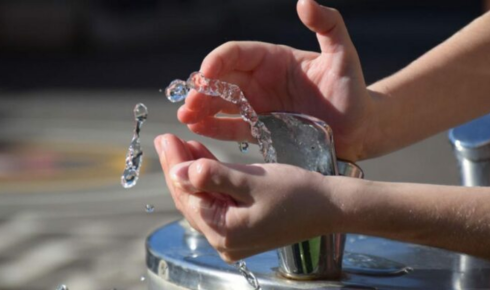
There’s something oddly reassuring about a simple glass of water. No labels, no ingredients list, no effort. You turn the tap, fill up, and carry on. It’s one of the few things in life that feels uncomplicated.
But every now and then, something interrupts that ease. A taste that lingers longer than it should. A smell that doesn’t quite belong. Or just a quiet thought—is this really as clean as it feels?
It’s not panic. It’s curiosity. And that curiosity tends to stick.
When Water Stops Being Invisible
For most of us, water fades into the background. It’s part of the routine, something we don’t question unless there’s a reason to.
And the reasons are rarely dramatic.
Maybe your tea tastes a bit off. Maybe your glass looks clear but doesn’t feel quite right. These are small things, easy to ignore. But they build awareness over time.
That’s often when people begin exploring drinking water solutions. Not because something is wrong in an obvious way, but because they’re looking for something better—something more consistent.
It’s less about fixing a problem and more about improving an experience.
Understanding What “Clean” Really Means
We tend to think of water as either clean or not. But the reality sits somewhere in between.
Most municipal water is treated to meet safety standards, which is important. But along the way, it can pick up minerals, treatment residues, and trace elements that affect taste, smell, or clarity.
This is where the idea of water purification comes into the picture. It’s not about making water “safe” in a dramatic sense—it’s about refining it. Removing the things you don’t want while keeping what you do.
And once you understand that difference, the whole concept feels less complicated.
Going a Step Further With Filtration
At some point, curiosity leads to action. You start looking into options, trying to figure out what might work for your home.
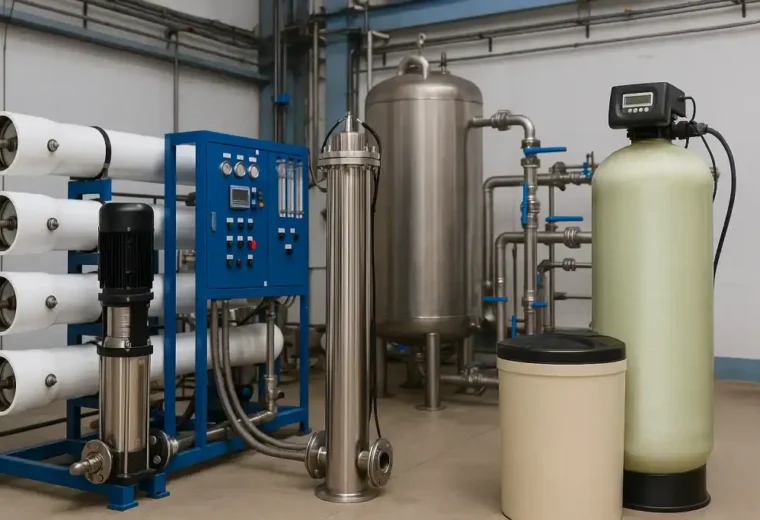
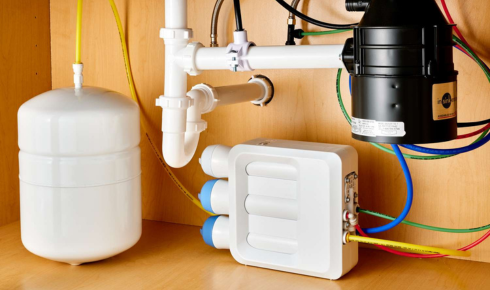
That’s where reverse osmosis drinking water often enters the conversation. It’s one of those terms you hear a lot, sometimes without fully understanding what it means.
In simple terms, it’s a method of filtering water through a very fine membrane, removing a wide range of impurities. It’s more thorough than basic filtration, which is why it’s often chosen for drinking water specifically.
But like anything, it’s not a one-size-fits-all solution. Some people need that level of filtration. Others might find something simpler works just as well.
The key is knowing what you’re trying to achieve.
The Difference You Feel, Not Just See
Improving your water doesn’t always come with a dramatic before-and-after moment.
It’s more subtle than that.
You might notice your water tastes cleaner. Your coffee feels richer. You drink a bit more without thinking about it. These are small changes, but they affect your daily routine in ways you don’t always notice immediately.
Then, over time, something shifts—you stop questioning your water altogether.
And that’s usually a good sign.
Why We Don’t Think About It Sooner
If water plays such a big role in daily life, why do we rarely question it?
Because it doesn’t feel urgent.
Water issues tend to sit in that grey area—noticeable, but manageable. You adapt. You adjust. You tell yourself it’s fine.
And sometimes, it is.
But sometimes, it’s just familiar.
A Simpler Way to Approach It
You don’t need to dive into complex systems or make big changes overnight. But paying a little more attention to your water—just a little—can lead to meaningful improvements.
Start with what you notice. Taste, smell, clarity. Then explore options that address those specific concerns.
From there, everything becomes easier to understand.
Ending With a Quiet Realization
Water is one of those things we rely on without really thinking about it. It’s part of the background, part of the routine.
But every now and then, it’s worth bringing it into focus.
Not because something is wrong—but because there might be a better way to experience something you use every single day.
And sometimes, that better experience starts with something as simple as a glass of water you don’t have to question.

Admin
Contributor at Readnify covering useful ideas, practical context and emerging stories.
Bring your expertise to Readnify.
We welcome original, useful guest contributions that help readers make better decisions.