There’s a quiet shift happening in how people think about water. Not in a dramatic, panic-driven way — more like a slow awareness creeping in. You hear a term once, then again, and suddenly it’s everywhere. PFAS. It sounds technical, a bit distant at first. But then you realize it’s tied to something as ordinary as the water you drink every day.
And that’s when it stops feeling abstract.
A New Kind of Conversation About Water
For years, water quality discussions focused on things you could taste or smell. Chlorine, minerals, maybe the occasional sulfur note. Tangible, immediate. But PFAS — that’s different.
When people talk about forever chemicals in drinking water, they’re referring to a group of man-made substances that don’t break down easily. They persist. In soil, in water, and sometimes, unfortunately, in the systems that deliver water to our homes.
It’s not something you notice when you take a sip. That’s part of what makes it harder to grasp. The water looks clear. It tastes fine. And yet, there’s this growing understanding that clarity doesn’t always tell the whole story.
How PFAS Enters Local Water Systems
Water doesn’t exist in isolation. It moves through environments shaped by human activity — industrial processes, firefighting foams, manufacturing byproducts. Over time, trace amounts of PFAS compounds can make their way into groundwater or surface water sources.
In areas like Florida’s Gulf Coast, discussions around pfas contamination tampa bay have started to surface more frequently. Not because every water source is heavily affected, but because monitoring and awareness are improving.
It’s less about alarm and more about transparency. Understanding where these compounds might appear, and how they behave once they’re there.
What It Means for Everyday Life
For most people, PFAS doesn’t change how water feels day to day. There’s no obvious taste, no smell that gives it away. You wouldn’t know it’s there unless you were specifically testing for it.
But the conversation isn’t really about immediate experience. It’s about long-term exposure — the idea that small amounts, over extended periods, might have an impact.
That’s where pfas exposure risks come into the discussion. Not in a way that suggests instant danger, but as part of a broader effort to understand how these chemicals interact with human health over time.
It’s a nuanced topic. And like most nuanced topics, it benefits from staying grounded in facts rather than fear.
The Role of Testing and Awareness
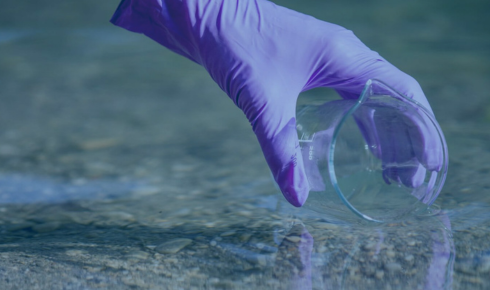
If there’s one practical step that makes a difference, it’s testing. Knowing what’s in your water removes a lot of uncertainty. It turns a vague concern into something concrete — something you can actually address.
Water testing for PFAS isn’t always part of standard checks, so it often requires a more targeted approach. But for those who want clarity, it’s a valuable starting point.
Once you have that information, decisions become easier. You’re not reacting to headlines or guesswork. You’re responding to your specific situation.
Options for Reducing Exposure
There’s no single “fix” for PFAS, but there are ways to manage it. Certain filtration systems — particularly those using advanced carbon filtration or reverse osmosis — have been shown to reduce PFAS levels in drinking water.
It’s not about eliminating every possible trace. It’s about reducing exposure in a way that feels practical and sustainable.
For many households, that might mean focusing on drinking and cooking water first. A point-of-use system at the kitchen sink can make a meaningful difference without requiring a full-scale overhaul.
Again, it’s about balance.
Keeping Perspective
It’s easy to get overwhelmed when new information about water quality comes to light. Especially when it involves terms that sound complex or unfamiliar.
But it helps to remember that awareness is a positive step. It means systems are being monitored, researched, and improved. It means you have access to information that wasn’t as readily available before.
And most importantly, it means you have options.
A Shift Toward More Informed Choices
What’s interesting about the PFAS conversation is how it reflects a broader shift. People aren’t just asking, “Is my water safe?” anymore. They’re asking, “What’s in it, and how can I make it better?”
That shift doesn’t require drastic changes. Sometimes it’s as simple as installing a filter, or getting your water tested, or just paying a bit more attention than you used to.
And over time, those small steps add up.
Closing Thoughts
Water has always been essential. That hasn’t changed. What’s changing is how we think about it — with a bit more curiosity, a bit more awareness, and a willingness to adapt as we learn more.
PFAS is part of that story, but it’s not the whole story. It’s one piece of a larger picture that continues to evolve.
And as it does, the goal remains the same: water that feels reliable, trustworthy, and easy to live with.
Because at the end of the day, that’s what matters most.

Admin
Contributor at Readnify covering useful ideas, practical context and emerging stories.
Bring your expertise to Readnify.
We welcome original, useful guest contributions that help readers make better decisions.