There’s something oddly comforting about pouring a glass of water straight from the tap. It’s simple, familiar, and for most of us, it’s a daily ritual we rarely question. But every now and then, you come across a conversation or a headline that makes you pause mid-sip. What’s actually in this water?
That question has been floating around more often lately—and not without reason.
The Quiet Rise of a Modern Concern
Water safety used to feel like a solved problem, at least in many parts of the world. If it looked clear and didn’t smell odd, it was fine. But science has a way of peeling back layers we didn’t even know existed.
One of those layers involves substances often referred to as pfas chemicals—a group of man-made compounds that have been used for decades in everyday products. Think non-stick cookware, stain-resistant fabrics, even certain firefighting foams. Useful? Absolutely. Harmless? That’s where things get murky.
These chemicals don’t break down easily. In fact, they’re often called “forever chemicals” because once they enter the environment, they tend to stick around—sometimes for generations. And unfortunately, that includes water sources.
When Water Isn’t Just Water
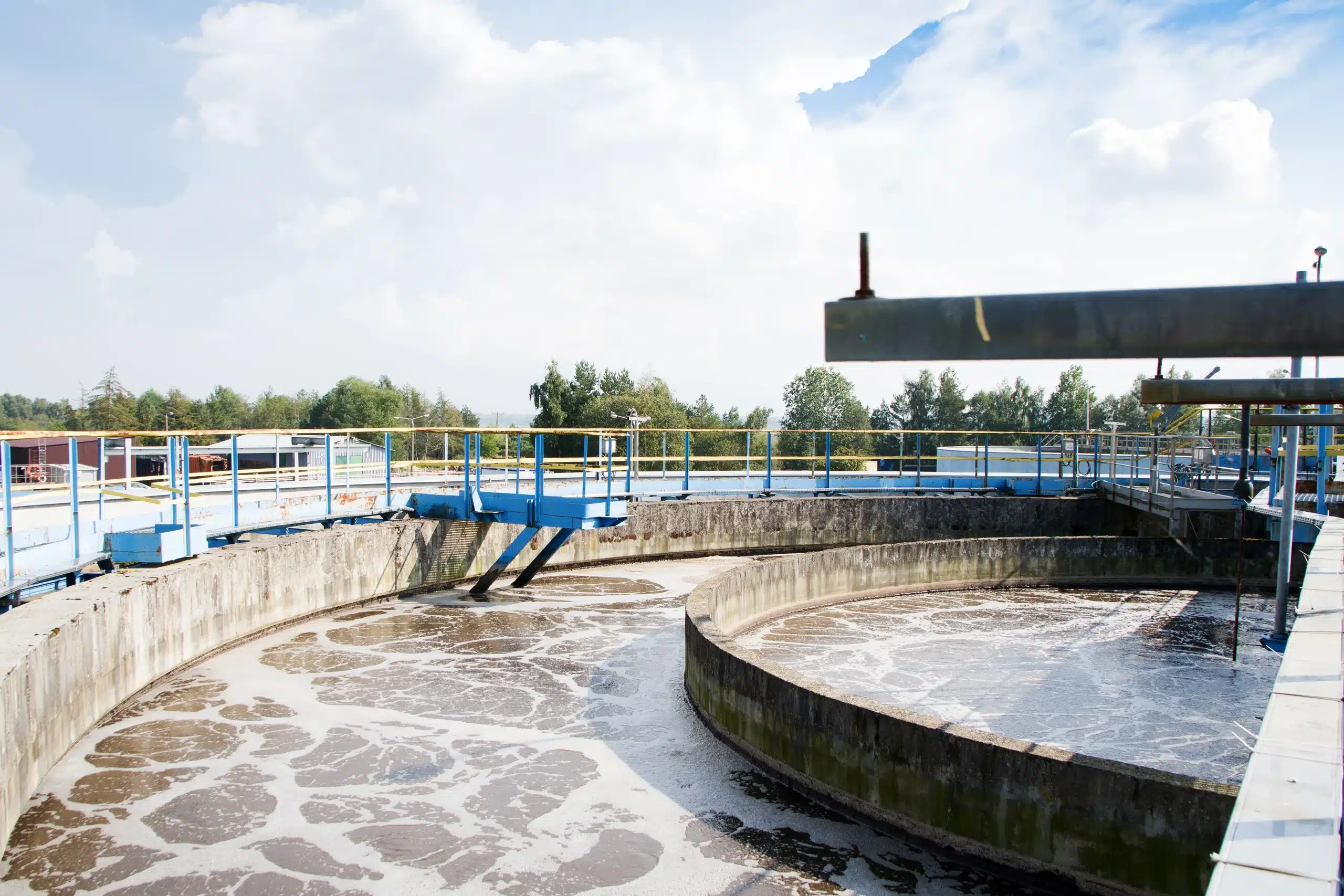
It’s easy to assume that water treatment plants filter out everything harmful. And to be fair, they do remove a lot. But not everything. Some contaminants are surprisingly persistent, slipping through traditional systems unnoticed.
That’s how pfas water contamination has become a growing topic of concern. It doesn’t always come with a warning sign—no strange taste, no cloudy appearance. It’s subtle, which makes it more unsettling.
Communities around the world have started testing more rigorously, and the results have been eye-opening. In some cases, levels of these compounds have been higher than expected. Not always dangerous in the immediate sense, but enough to raise long-term health questions.
And that’s really the issue here—it’s not about panic. It’s about awareness.
The Shift Toward Smarter Filtration
Once people start asking questions about their water, the next step usually follows naturally: “What can I do about it?”
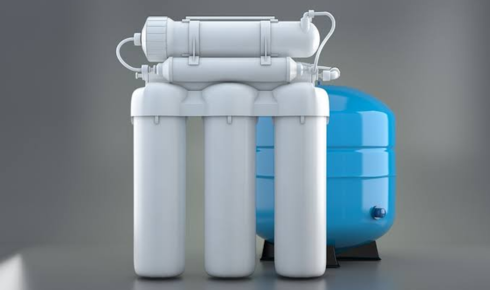
That’s where solutions like pfas water filtration come into the picture. Unlike standard filters that mainly improve taste or remove chlorine, these systems are designed with more advanced capabilities. They target specific contaminants that require a bit more effort to catch.
Now, not every home needs an elaborate setup. Sometimes a well-chosen under-sink system does the trick. Other times, especially in areas with known contamination issues, a whole-house system might make more sense.
It’s not about overcomplicating things—it’s about matching the solution to the situation.
A Personal Choice, Not a Trend
Here’s the thing: water filtration isn’t just a technical decision. It’s a personal one.
Some people are perfectly comfortable sticking with what they’ve always done. Others, once they learn more, decide to make a change. Neither approach is inherently wrong. It depends on your priorities, your environment, and honestly, your peace of mind.
I’ve spoken to people who installed filtration systems not because they were told to, but because they wanted that extra layer of reassurance. And then there are those who simply switched to filtered pitchers and felt that was enough. Different paths, same goal—cleaner water.
Looking Ahead Without Overthinking It
It’s easy to get overwhelmed when you start digging into water quality topics. There’s a lot of information out there, and not all of it is presented in a way that’s easy to digest.
But maybe the goal isn’t to know everything. Maybe it’s just to know enough.
Enough to ask the right questions.
Enough to make informed choices.
Enough to feel confident about what you’re drinking every day.
Water, after all, is one of the few things we consume without much thought. And maybe it deserves a little more attention than we’ve been giving it.
Final Thoughts
At the end of the day, this isn’t about fear—it’s about clarity. Understanding what’s in your water doesn’t mean you need to overhaul your entire lifestyle overnight. It just means you’re paying attention.
And sometimes, that small shift in awareness is all it takes to make better, more thoughtful decisions.

Admin
Contributor at Readnify covering useful ideas, practical context and emerging stories.
Bring your expertise to Readnify.
We welcome original, useful guest contributions that help readers make better decisions.