It always happens at the worst possible moment. You step into the shower, expecting that familiar comfort, and instead—you get a shock of cold water that makes you question all your life choices in under three seconds.
At first, you assume it’s temporary. Maybe someone else used up the hot water. Maybe it’ll come back in a minute.
But sometimes, it doesn’t.
And that’s when you realize just how much you depend on something you rarely think about—your water heater.
The Everyday Comfort You Don’t Notice
Hot water is one of those small luxuries that quietly shapes your routine. Morning showers, washing dishes, even simple things like handwashing on a cold day—it all feels effortless because the system behind it works without complaint.
Until it doesn’t.
And when it stops working, even briefly, your entire day feels slightly off.
That’s where reliable water heater services come into play. Not just for emergencies, but as a way to keep things running smoothly before problems catch you off guard. Because like most appliances, water heaters don’t fail instantly—they show signs, if you know what to look for.
The Subtle Signs Something Isn’t Right
It rarely starts with a complete breakdown. More often, it’s small changes.
Water doesn’t get as hot as it used to. It takes longer to warm up. Maybe there’s a faint noise—popping or rumbling—that wasn’t there before. Sometimes, you might even notice a slight discoloration in the water.
These are early indicators. Easy to ignore, especially if the system is still functioning. But they’re often the first hint that something needs attention.
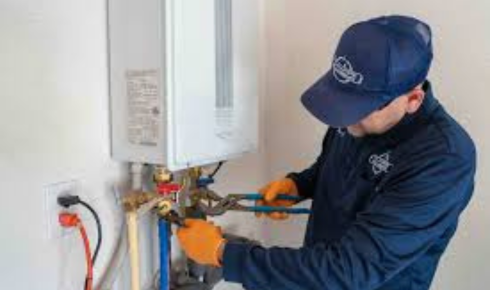
That’s when water heater repair becomes more than just a fix—it’s a way to prevent a full failure. Addressing these small issues early can extend the life of your system and save you from more disruptive problems later.
When Repair Isn’t Enough
There comes a point, though, when repairs start to feel like a temporary solution. You fix one issue, then another appears. The system becomes unpredictable, and you’re left wondering when the next problem will show up.
That’s usually when the conversation shifts toward water heater installation.
And yes, replacing a unit can feel like a big step. But sometimes, it’s the more practical choice. A new system offers better efficiency, consistent performance, and a kind of reliability that older units struggle to maintain.
It’s not just about fixing what’s broken—it’s about starting fresh.
Choosing the Right System for Your Home
If you’re considering a replacement, the options can feel a bit overwhelming at first. Traditional tank heaters, tankless systems, different sizes, different capacities—it’s a lot to take in.
But it doesn’t have to be complicated.
The right choice usually comes down to your household’s needs. How much water you use, how often, and what kind of efficiency you’re looking for. A smaller home might benefit from a compact system, while a larger household may need something with more capacity.
The key is finding a balance between performance and practicality.
The Cost Factor—And What It Really Means
Let’s be honest—cost matters. Whether you’re repairing or replacing a water heater, it’s not something you budget for regularly.
But there’s another side to consider.
An inefficient or failing system can drive up energy bills. Frequent repairs add up. And then there’s the inconvenience—the disruption to your routine every time something goes wrong.
Investing in a reliable system often brings long-term savings, not just financially, but in terms of comfort and peace of mind.
Maintenance: The Part We Often Skip
Most people don’t think about maintaining their water heater. It sits quietly in a corner, doing its job, out of sight.
But a little maintenance can go a long way.
Flushing the tank, checking for sediment buildup, ensuring the system is functioning efficiently—these small steps can extend its lifespan and improve performance. It’s not something you need to do constantly, but ignoring it entirely can lead to avoidable issues.
A Quiet System That Deserves a Little Attention
At its best, a water heater is invisible. It works so seamlessly that you forget it’s there.
And maybe that’s the goal.
But when something changes—even slightly—it’s worth paying attention. Not out of urgency, but out of awareness. Because those small changes are often your best chance to act before things become inconvenient.
Final Thoughts
There’s nothing glamorous about a water heater. It doesn’t add visual appeal or become a talking point in your home.
But it supports something essential—comfort, routine, and a sense of normalcy in your day.
So if you ever find yourself standing under a cold shower, wondering what went wrong, take it as a reminder.
Sometimes, the most important systems are the ones we notice the least—until they stop working.

Admin
Contributor at Readnify covering useful ideas, practical context and emerging stories.
Bring your expertise to Readnify.
We welcome original, useful guest contributions that help readers make better decisions.