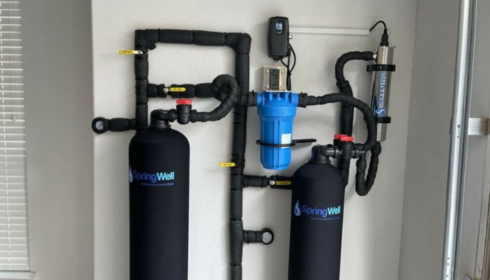
Most people don’t really think about water until something feels slightly off. It’s one of those things that just exists in the background of daily life. You turn the tap, fill a glass, take a shower, and move on. No questions asked.
But then something changes. Maybe the taste feels a bit “off.” Maybe the shower doesn’t feel as refreshing anymore. Or the kettle starts collecting scale faster than usual. Small things, easy to ignore at first… until they aren’t.
That’s usually when homeowners start realizing how much their comfort depends on something they rarely pay attention to.
When Water Stops Feeling Right
Water issues rarely announce themselves loudly. They creep in slowly, almost politely.
You might not notice it at first. A slightly different smell here, a faint residue on dishes there. Soap doesn’t lather the same way it used to. Even your skin might feel drier after showers, but you just assume it’s the weather or something temporary.
Over time, though, these small signals start adding up.
And often, they point back to one core factor — water quality. Not just what’s safe on paper, but what actually feels and behaves right in everyday use inside the home.
The interesting part is how adaptable people are. We get used to changes without realizing it. That’s why water problems often go unnoticed until they become impossible to ignore.
Why Home Systems Need Real Attention
Behind every clean glass of water or warm shower is a system quietly doing its job. Pipes, filters, valves, tanks — all working together without asking for attention.
But like anything that runs constantly, wear and tear is inevitable.
Minerals build up. Filters slowly clog. Flow becomes less consistent. Nothing dramatic happens overnight, which is exactly why problems slip under the radar.
A well-maintained water treatment system helps manage these issues before they turn into bigger disruptions. It keeps water cleaner, reduces buildup, and supports the overall health of plumbing and appliances.
Still, even the best system isn’t “set it and forget it.” It needs occasional care — not constant worry, just awareness.
The Role of People Who Actually Understand the System
There’s a big difference between guessing what’s wrong and actually knowing.
Most homeowners can spot surface-level issues — a leak, a drop in pressure, maybe an odd sound. But deeper problems often hide inside the system where experience matters more than assumptions.
That’s where experienced technicians really make a difference.
They don’t just look at symptoms; they understand patterns. A slight change in pressure might mean one thing in a new home and something completely different in an older setup. A bit of scale buildup might be harmless in one case, but a warning sign in another.
It’s not about complexity for the sake of it. It’s about noticing what most people would naturally overlook.
And honestly, having someone who can translate “something feels off” into an actual solution saves a lot of stress in the long run.
Water Systems Don’t Fail Suddenly — They Drift
One of the most misunderstood parts of home water systems is how failure actually happens.
It’s rarely a sudden breakdown.
More often, it’s a slow drift.
Pressure weakens a little. Efficiency drops gradually. Appliances start working harder without obvious signs. People adjust without realizing anything is wrong.
That’s what makes regular attention so important. Small corrections early on are far easier than major repairs later.
And yet, most homeowners only react when the system is already struggling.
Everyday Comfort Depends on Consistency
Clean water isn’t just about health. It affects comfort in ways people don’t always connect immediately.
A proper shower should feel refreshing, not harsh. Laundry should come out soft, not stiff. Drinking water should taste neutral and clean, not metallic or heavy.
When things are working properly, you don’t think about them. That’s the ideal state.
But when they’re not, everything feels slightly off — even if you can’t immediately explain why.
That’s the hidden value of maintaining a stable system. It removes friction from daily life in ways that are subtle but constant.
Maintenance Isn’t Complicated — But It Is Necessary
A lot of people delay maintenance because it feels like a hassle. Something technical. Something to deal with later.
But most upkeep tasks are actually simple when broken down. Replacing filters, checking salt levels, inspecting connections — nothing extreme.
The real challenge isn’t difficulty. It’s timing.
Because once a system starts showing visible problems, maintenance has already turned into repair work.
And repair is always more expensive — not just in money, but in time and inconvenience too.
When Small Issues Turn Into Bigger Ones
It usually starts small. A little noise in the pipes. A slight drop in pressure. Maybe a faint taste change in drinking water.
Individually, none of these feel urgent.
But together, they often point toward a system that needs attention.
Ignoring them doesn’t make them disappear — it just allows them to grow quietly in the background. Eventually, what could have been a quick fix turns into a larger disruption.
That’s the part most homeowners regret later. Not the problem itself, but the delay in addressing it.
A Better Approach Is Surprisingly Simple
The good news is that keeping things under control doesn’t require overthinking.
A few consistent habits make a big difference:
- Pay attention to small changes in water taste or pressure
- Schedule periodic system checks
- Don’t ignore unusual sounds or buildup
- Get professional input when something feels uncertain
None of this is complicated. It’s just about not waiting too long.
Final Thoughts
Water systems aren’t something most people think about until they have to. But they quietly influence almost every part of home life — cooking, cleaning, bathing, even how appliances perform over time.
When everything is working properly, life feels easier without explanation. And when it isn’t, even small tasks start feeling slightly frustrating.
That’s why care, attention, and timely support matter more than people realize.
Because in the end, good water isn’t just about infrastructure. It’s about comfort, consistency, and that simple feeling that everything at home is just working the way it should.

Admin
Contributor at Readnify covering useful ideas, practical context and emerging stories.
Bring your expertise to Readnify.
We welcome original, useful guest contributions that help readers make better decisions.