Large cleanup projects have a way of producing more waste than anyone expects. What begins as a simple renovation can quickly turn into piles of drywall, lumber, old fixtures, flooring, packaging, and broken materials scattered across the job site. When you’re dealing with that much waste, a small container simply won’t cut it.
That’s where larger dumpsters come into the picture. For major renovations, demolition work, commercial cleanouts, and building projects, 30- and 40-yard containers are among the options worth considering. The trick is knowing which one actually fits your project. Bigger isn’t always better, especially when cost, available space, and material weight enter the equation.
What Does a Dumpster’s Yard Size Mean?
Dumpster sizes are generally measured in cubic yards. The number describes the container’s approximate volume, not its weight capacity.
A larger dumpster provides more room for bulky materials, but every rental still has weight restrictions. This distinction matters because a container can have plenty of physical space left while already approaching its allowable weight.
For example, lightweight drywall and cardboard can fill a large container without becoming extremely heavy. Concrete, bricks, soil, and certain roofing materials are a different story. They can become heavy very quickly.
So when choosing a dumpster, don’t just think about how much space you need. Think about what you’re putting inside it.
When a 30-Yard Dumpster Is a Good Fit
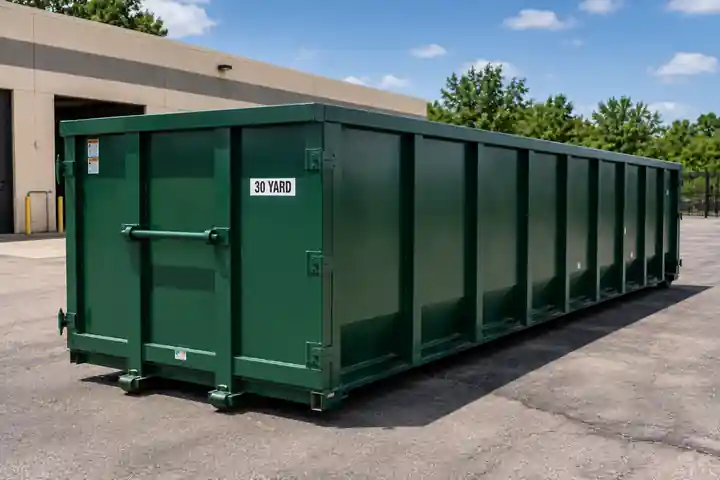
A 30 yard dumpster is often a practical choice for substantial residential renovations, commercial cleanouts, and medium-to-large construction jobs.
It offers considerably more capacity than smaller containers without being quite as demanding in terms of placement space as the largest options. If you’re remodeling several rooms, replacing a roof, clearing out a large property, or handling a significant demolition, this size may provide the breathing room you need.
Picture a whole-house renovation. Cabinets are coming out, flooring is being replaced, sections of drywall are being removed, and old fixtures are headed for disposal. The debris accumulates quickly. A 30-yard container can give the crew somewhere to put everything without creating several giant piles around the property.
It’s also useful when you expect a steady stream of waste rather than one quick burst of cleanup.
When Going Up to 40 Yards Makes Sense
For truly large projects, a 40 yard dumpster provides even more capacity.
This is generally the kind of container people consider for major construction, commercial remodeling, large-scale demolition, or extensive property cleanouts. If the project involves a large building or multiple areas being cleared simultaneously, the additional volume can be extremely helpful.
Imagine stripping the interior of a commercial building. Office partitions, flooring, ceiling materials, fixtures, packaging, and general renovation waste can quickly overwhelm smaller containers. Having more capacity means fewer interruptions and potentially fewer container swaps.
That said, a 40-yard dumpster needs adequate room for delivery and placement. If your property has a tight driveway or limited access, the largest option may not be practical.
Think About the Type of Waste
Volume is only half the story.
The kind of material you’re removing has a major influence on dumpster selection. Construction debris such as drywall, lumber, insulation, cabinets, and flooring can take up considerable space. Heavy materials like concrete and brick may require different disposal arrangements or weight considerations.
Before ordering, make a list of the major materials involved. Don’t worry about making it perfect. A rough description is usually enough for a rental provider to understand the scope.
Tell them whether you’re doing demolition, remodeling, roofing, commercial cleanup, or general property clearing. Mention particularly heavy materials, too.
This simple conversation can help prevent choosing a container that isn’t suitable for the job.
Don’t Ignore Weight Limits
People sometimes assume that if there’s room left in the dumpster, they can keep loading it. That’s not necessarily true.
Every dumpster has a weight limit, and exceeding it can result in additional charges or require some material to be removed before transportation.
Heavy debris deserves special attention. Concrete, brick, soil, asphalt, and some roofing materials can add weight much faster than you might expect.
If your project involves large quantities of dense material, ask the rental company whether a standard roll-off dumpster is appropriate. Some disposal services have specific rules for heavy loads.
It may sound like a small detail, but getting this wrong can be an expensive lesson.
Make Sure You Have Enough Space
A 30- or 40-yard container isn’t exactly small.
Before delivery, inspect the proposed placement area. The truck needs enough room to approach and position the container safely. Look for low-hanging branches, fences, parked vehicles, utility lines, narrow gates, and other obstacles.
A level, firm surface is generally preferable. A driveway often works well, provided it’s strong enough and accessible.
If you’re planning to place the dumpster on a public street, check local regulations. Some areas require permits or have restrictions on how long containers can remain there.
Don’t Automatically Choose the Biggest Dumpster
It can be tempting to say, “Just give me the biggest one.” After all, nobody wants to run out of space halfway through demolition.
But oversized isn’t always economical.
If your project generates significantly less waste than expected, paying for additional capacity may not make financial sense. On the other hand, underestimating your needs can lead to another rental or container exchange.
The sweet spot is somewhere in between: enough room to handle the project comfortably without paying for capacity you’ll never use.
Loading a Large Dumpster Properly
Large containers still need to be loaded responsibly.
Place heavy materials toward the bottom and spread the weight across the container. Break down bulky furniture and other large objects whenever possible. This makes better use of the available space.
Avoid allowing debris to extend above the top of the container. Overloaded dumpsters can create transportation and safety problems, and the provider may require excess material to be removed.
For demolition work, gloves, sturdy footwear, eye protection, and other appropriate safety equipment are important. Broken wood, nails, metal fragments, and shattered materials can cause injuries surprisingly easily.
Ask Questions Before Booking
Before scheduling delivery, clarify the details that affect your project and budget.
Ask about the rental period, included weight allowance, accepted materials, prohibited items, delivery and pickup fees, and charges for additional weight or extra days.
If your construction schedule is uncertain, ask what happens if you need the dumpster longer than expected.
Clear answers upfront are always better than surprises on the final invoice.
Choosing Between 30 and 40 Yards
The choice ultimately comes down to the scale of your project.
A 30-yard dumpster may be the better fit for a large home renovation, substantial cleanout, or medium-sized construction project. A 40-yard option is generally more appropriate when you’re dealing with extensive commercial work, major demolition, or a particularly high volume of bulky debris.
Consider the total amount of waste, the materials involved, the available space, and your budget.
The right dumpster won’t make demolition magically clean. There will still be dust, noise, and probably a few moments when you wonder why you started the project in the first place. But having enough room for the waste can keep the job moving and make the whole process noticeably easier.
And when the last piece of debris goes into the container and the work area finally looks clear again, you’ll be glad you planned for the mess before it arrived.

Admin
Contributor at Readnify covering useful ideas, practical context and emerging stories.
Bring your expertise to Readnify.
We welcome original, useful guest contributions that help readers make better decisions.