A comfortable home means different things to different people. For some, it’s walking inside on a scorching afternoon and immediately feeling that welcome drop in temperature. For others, it’s having every room feel reasonably comfortable instead of dealing with one freezing bedroom and another that seems permanently stuck in summer.
Cooling a home sounds simple until you start looking at the choices available. Traditional central systems work well for many properties, while newer options offer flexibility for additions, converted spaces, and rooms that never seem to get enough cool air. Then there’s the question most homeowners eventually ask: how much will it cost to run?
The answer usually depends on more than the unit itself. The size of the home, insulation, maintenance habits, local weather, and how the equipment is installed can all influence comfort and long-term costs.
Not Every Home Needs the Same Type of Cooling
Homes come in all shapes, sizes, and ages, so it makes sense that one cooling solution won’t work perfectly for everyone.
A newer property with existing ductwork may be well suited to a central system. An older home without ducts may require a different approach. Room additions, converted garages, workshops, and spaces used only occasionally can also create unique cooling challenges.
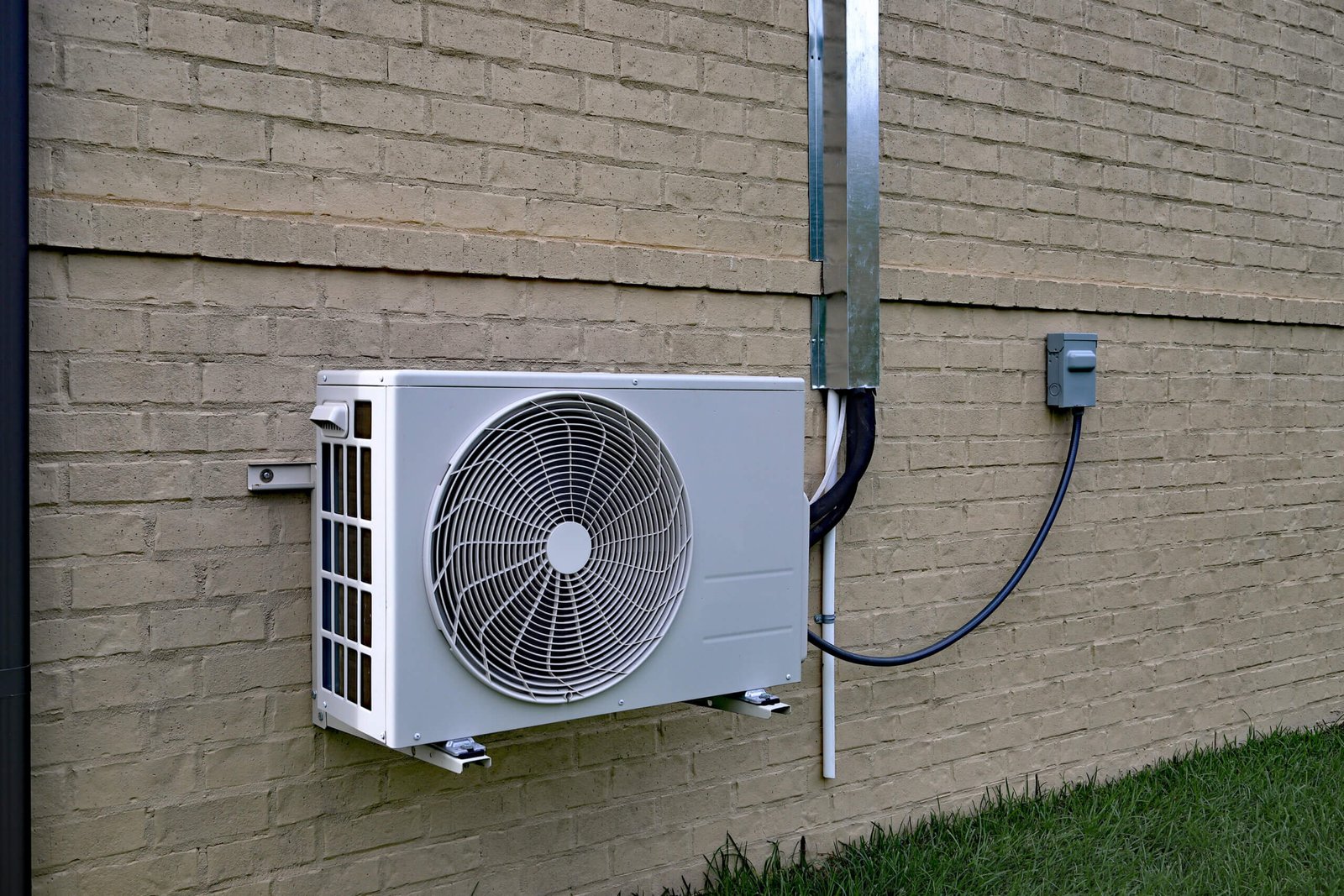
This is where ductless air conditioning can be a practical option. Instead of relying on a large network of ducts to distribute cooled air, these systems are designed to provide cooling directly to specific areas or zones.
That flexibility can be useful when extending existing ductwork would be difficult or expensive. It may also allow homeowners to control temperatures differently in separate areas of the house. Someone working from home, for example, may want one room comfortable during the day without cooling every unused room to the same level.
Of course, no system is automatically perfect. The right choice depends on how the home is built and how people actually use the space.
Comfort Is About More Than a Cold Blast of Air
When people think about air conditioning, they often focus on one thing: getting the temperature down as quickly as possible.
But comfort is a little more complicated than that.
Good cooling systems should provide consistent performance rather than simply sending a powerful blast of cold air into one area. Airflow matters. Humidity can matter too. So can the placement of vents, the condition of ductwork, insulation, and even how much direct sunlight enters certain rooms.
A home with poor airflow may have rooms that feel completely different despite using the same thermostat setting. You might find yourself carrying a sweater into one room while another feels stuffy and warm. It’s a common frustration.
Before assuming the entire air conditioner needs replacing, it can be worth investigating the bigger picture. Sometimes the problem involves blocked vents, leaking ducts, poor insulation, or an incorrectly adjusted system rather than a complete equipment failure.
Bigger Isn’t Always Better
It’s easy to assume that a larger cooling unit will automatically keep a home more comfortable. Surprisingly, that’s not always true.
An oversized system may cool a space too quickly and shut off before operating long enough to maintain balanced conditions. An undersized unit, on the other hand, may run continuously while struggling to keep up during hot weather.
Proper sizing should take into account the size and layout of the home, insulation levels, windows, ceiling height, local climate, and other factors.
That’s why professional assessment is important before installing new equipment. Choosing based only on price or maximum capacity can lead to years of frustration.
The best system is usually not the biggest or the most expensive one. It’s the one that actually fits the home.
Energy Use Is Part of the Decision
For many households, comfort and energy efficiency go hand in hand. A system that works harder than necessary can increase utility costs and place additional stress on its components.
There are several ways homeowners can support efficient cooling without making major changes immediately. Clean filters help maintain airflow. Keeping outdoor equipment clear of debris allows it to operate more effectively. Sealing obvious gaps around windows and doors can also reduce the amount of warm air entering the home.
Thermostat habits matter too. Constantly changing the temperature or setting it dramatically lower than necessary may not cool the house faster, but it can encourage the system to run longer.
Small improvements add up. Better insulation, appropriate window coverings, routine maintenance, and sensible thermostat settings can all contribute to lower energy use over time.
Maintenance Is the Quiet Hero of Home Comfort
Nobody gets particularly excited about changing an air filter. It isn’t exactly a weekend project you brag about afterward.
Still, regular maintenance can be one of the simplest ways to support long-term system performance.
Filters should be checked regularly, especially in homes with pets, heavy dust, or frequent cooling use. Indoor vents should remain open and unobstructed. Outdoor units need reasonable clearance from grass, leaves, branches, and other debris.
Professional inspections can also identify problems that aren’t obvious to homeowners. A technician may notice worn components, restricted airflow, drainage concerns, or performance issues before they develop into a complete breakdown.
Maintenance doesn’t guarantee that equipment will never fail. Mechanical systems eventually wear out. But taking care of them gives you a better chance of catching trouble early.
Thinking Beyond the Equipment
Sometimes homeowners focus entirely on the air conditioner and forget about everything around it.
A powerful new unit can’t completely compensate for poor insulation, damaged ductwork, or a home that absorbs excessive heat through old windows. The building itself plays a major role in how much cooling is required.
Simple improvements can help. Closing curtains during the hottest part of the day, using ceiling fans to support air circulation, and sealing obvious drafts are small steps that may improve comfort.
For larger problems, such as major insulation gaps or deteriorating ducts, professional advice may be worthwhile.
It can be helpful to think of home comfort as a system rather than a single machine. The air conditioner is important, obviously, but it’s only one part of the picture.
Choosing a Solution That Fits Your Everyday Life
When considering a new cooling setup, think about how your household actually uses the home.
Are certain rooms rarely occupied? Does one family member work from home all day? Has the house been expanded? Are there areas that always seem warmer than the rest?
These practical questions can help determine whether a traditional system, zoned setup, or another option makes the most sense.
Cost matters too, but the cheapest installation isn’t always the lowest-cost decision over the life of the equipment. Installation quality, maintenance requirements, expected lifespan, and operating costs should all be part of the conversation.
A trustworthy professional should explain the available options clearly rather than pushing one solution for every property.
A Cooler Home Starts With Smarter Decisions
There’s no single formula for creating a comfortable home. Some houses benefit from central cooling, while others need a more flexible approach. The right choice depends on the building, the climate, and the people living inside it.
The good news is that homeowners have more options than ever before. By understanding how different systems work, paying attention to maintenance, and considering long-term energy use, it becomes easier to make a decision that feels sensible rather than rushed.
In the end, home comfort isn’t about buying the most impressive equipment on the market. It’s about finding something that works reliably, fits your space, and doesn’t create unnecessary headaches down the road.
Because when the temperature outside starts climbing, comfort stops being an abstract idea. It becomes something you feel the moment you walk through the front door.

Admin
Contributor at Readnify covering useful ideas, practical context and emerging stories.
Bring your expertise to Readnify.
We welcome original, useful guest contributions that help readers make better decisions.