Most of us clean what we can see. We wipe kitchen counters, vacuum carpets, mop the floor, and feel a little better when the house looks tidy again. Fair enough. A clean-looking home does make life feel calmer. But the air? That part is easy to forget. It moves quietly through every room, picking up bits of dust, pollen, pet dander, moisture, odors, and all sorts of tiny particles along the way.
Indoor air can affect a home’s comfort more than people realise. Sometimes the signs are obvious, like musty smells or constant sneezing. Other times, it is more subtle. A bedroom feels stuffy in the morning. Dust seems to come back too quickly. Someone gets irritated eyes after spending a few hours inside. None of this means a home is dirty. It simply means indoor air needs attention too.
Why Clean Air Starts With Awareness
Every home has its own air challenges. A house near traffic may collect outdoor pollution. A home with pets may deal with dander. A damp basement can add a musty smell. Even daily routines like cooking, cleaning, burning candles, or opening windows can change what floats around inside.
This is where allergens removal becomes more than just a seasonal concern. Pollen, dust mites, pet dander, and other allergy triggers can settle into soft furnishings, carpets, bedding, and vents. Once disturbed, they can move back into the air and cause discomfort for sensitive people. Regular cleaning helps, but it often needs support from better ventilation and proper filtration.
The Hidden Problem With Damp Spaces
Moisture is one of the biggest troublemakers in indoor air. It does not always look dramatic at first. Maybe there’s condensation on windows, a bathroom fan that does not work well, or a laundry area that stays slightly humid. Over time, dampness can create conditions where unwanted growth becomes more likely.
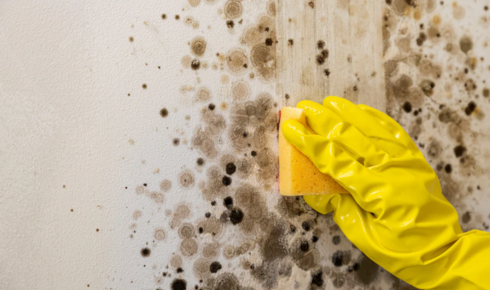
One common concern is mold spores, which can travel through the air and settle in different areas of the home. They may come from bathrooms, basements, leaks, or poorly ventilated corners. The tricky thing is that mold problems are not always visible right away. Sometimes the first clue is a musty smell or allergy-like symptoms that seem worse indoors.
Airborne Particles Are Not Always Obvious
The particles floating around a home are often too small to see. That does not make them harmless or unimportant. Dust, smoke, pollen, fibers, dander, and chemical particles can stay suspended in the air before eventually settling on surfaces. Then movement — walking, vacuuming, adjusting curtains, playing with pets — can stir them up again.
Reducing airborne contaminants means taking a layered approach. A quality air filter can help capture particles, while good ventilation helps move stale air out. Cleaning habits, humidity control, and HVAC maintenance all work together. No single step fixes everything, but several sensible steps can make a noticeable difference.
Simple Habits That Make a Real Difference
The good news is, improving indoor air does not have to feel complicated. Start with the basics. Change HVAC filters regularly, especially during heavy heating or cooling seasons. Use exhaust fans while cooking and showering. Vacuum with a good-quality vacuum, particularly if you have pets or carpets. Wash bedding often. Keep indoor humidity in a comfortable range, usually not too damp and not bone-dry either.
Also, pay attention to smells. A fresh scent from a spray or candle may cover odors, but it does not always solve the air problem. Sometimes it adds more chemicals into the room. Opening windows can help when outdoor air is clean, but on high-pollen or smoky days, it may do the opposite. It’s a bit of common sense, really.
When Filtration Becomes Worth It
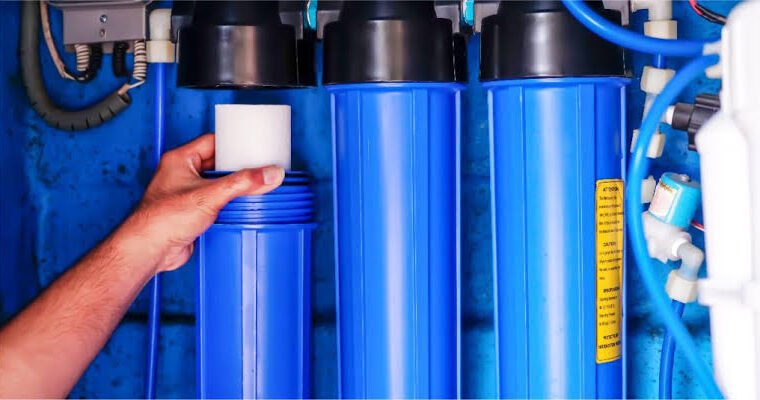
For many households, especially those with allergies, pets, children, older adults, or respiratory sensitivities, filtration can be a smart upgrade. A better filtration system supports cleaner air day after day, not just when someone remembers to open a window. It can reduce dust buildup, help control odors, and make bedrooms or living spaces feel fresher.
The right solution depends on the home. A small apartment has different needs than a large family house. Some people need room-based filtration, while others may benefit from whole-home systems connected to their HVAC setup. The best choice usually starts with the actual problem you’re trying to solve.
A Home That Feels Easier to Breathe In
Clean air is not something guests always comment on. They may not walk in and say, “Wow, your air quality is excellent.” But they might notice the home feels fresh, calm, and comfortable. More importantly, the people living there can feel the difference over time.
A healthier indoor environment is built through small, steady choices. Less dust. Better airflow. Controlled moisture. Proper filtration. Fewer strong chemical products. None of it has to be perfect. Homes are meant to be lived in, after all. But when the air is cleaner, the whole place seems to relax a little — and so do the people inside it.

Admin
Contributor at Readnify covering useful ideas, practical context and emerging stories.
Bring your expertise to Readnify.
We welcome original, useful guest contributions that help readers make better decisions.