We tend to think about water in very simple terms. Turn on the tap, fill a glass, take a shower, start the washing machine. Done.
But water touches almost everything we do at home, from the coffee we drink in the morning to the clothes we wear at night. When water contains excessive minerals, sediment, chlorine, or other unwanted substances, the effects may show up in places we don’t immediately expect. A glass may taste different. A shower can leave skin feeling dry. Clothes may seem less soft after repeated washing.
That’s why improving household water quality isn’t just about drinking water. It can be about creating a better experience throughout the entire home.
Start With the Water You Drink
Drinking water is probably the first thing that comes to mind when people discuss filtration. And honestly, that’s a good place to start.
Water should be pleasant to drink, because if it tastes strange or smells unpleasant, people may simply avoid it. Someone might reach for bottled water instead, which can become expensive over time and creates more plastic waste.
The goal of Healthy Drinking Water is not necessarily to install the most complicated treatment system available. It’s about understanding what’s in your water and choosing appropriate treatment for your household.
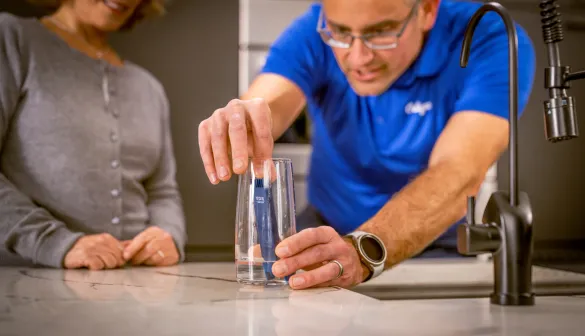
A water-quality test can provide useful information about hardness, pH, sediment, minerals, and other characteristics. From there, homeowners can decide whether they need basic filtration, water softening, reverse osmosis, or another treatment approach.
It’s a much better strategy than buying equipment simply because it has a long list of features.
Hard Water Can Affect More Than Faucets
Hard water is common in many areas and usually contains elevated levels of minerals such as calcium and magnesium. While hardness isn’t automatically a safety problem, it can create plenty of everyday frustrations.
White scale around faucets is one obvious sign. You may also notice buildup inside kettles, water heaters, showerheads, and other appliances that regularly come into contact with water.
Over time, these deposits can become difficult to remove. You clean the bathroom on Saturday and by Wednesday those familiar white marks are back. It’s one of those small household annoyances that somehow never disappears.
Water softening can help manage this issue by reducing hardness minerals before water enters the rest of the home.
A Better Shower Experience
Most people don’t think about the quality of their shower water until they notice a difference.
Hard water can leave mineral deposits on shower surfaces, while certain characteristics of treated municipal water may affect smell or how water feels. For households dealing with these issues, Soft, Filtered Water for Bathing can make the daily shower experience more comfortable.
Filtered and conditioned water may also help reduce the amount of residue left on shower doors, fixtures, and tiles, depending on the type of treatment used.
Of course, not every water system solves every problem. A softener primarily addresses hardness, while a filter may target sediment, chlorine, or other substances. Understanding that difference is important when choosing equipment.
Your Skin and Hair May Notice Too
Your skin is exposed to water every day, sometimes several times a day.
If water is particularly hard, mineral residue can remain on the skin after bathing. Some people describe their skin as feeling dry or their hair as less manageable after repeated exposure.
This doesn’t mean that a water treatment system is a miracle beauty product. It isn’t. But reducing certain water-quality issues may make bathing feel more pleasant and can reduce the amount of mineral residue left behind.
Simple things matter here. A cleaner showerhead, fewer deposits on the glass, and water that feels more comfortable can make an ordinary morning routine a little nicer.
Don’t Forget the Washing Machine
Laundry is another area where household water quality can quietly make a difference.
Hard water minerals can interact with detergents, potentially affecting how efficiently they work. Over time, mineral buildup can also occur inside plumbing and appliances.
For families doing several loads of laundry every week, this becomes especially relevant.
Using Soft, Filtered Water for Washing Machines may help reduce exposure to certain water-related issues, particularly when hard water is a persistent household concern. The exact benefits depend on the treatment system and the characteristics of the incoming water.
It’s worth remembering that your washing machine doesn’t just clean clothes with detergent. Water is a major part of the cleaning process itself.
Clothes Can Feel Different Over Time
Have you ever pulled freshly washed towels from the dryer and thought they felt a little rougher than they used to?
Water quality isn’t the only factor. Detergent choice, drying temperature, fabric type, and washing habits all play a role. Still, hard water can affect the way detergents interact with fabrics.
When mineral deposits build up, fabrics may not feel as soft or fresh as expected. Improving water quality can be one piece of a broader laundry-care strategy.
You don’t necessarily need to replace your entire laundry routine. Sometimes addressing the water is the missing piece.
Water Quality and Appliances
Your appliances use more water than you probably realize.
Dishwashers, washing machines, water heaters, coffee makers, humidifiers, and other equipment can all be affected by minerals and sediment. Hard-water scale, in particular, can accumulate in components that regularly heat or circulate water.
A water heater is a good example. Mineral deposits can collect over time, potentially reducing efficiency and increasing maintenance needs.
Water treatment won’t eliminate every appliance problem, of course. Regular cleaning and manufacturer-recommended maintenance still matter. But better water quality can help reduce certain sources of buildup.
Whole-Home Treatment Can Make Sense
If water-quality problems affect multiple areas of the house, treating only the kitchen tap may not be enough.
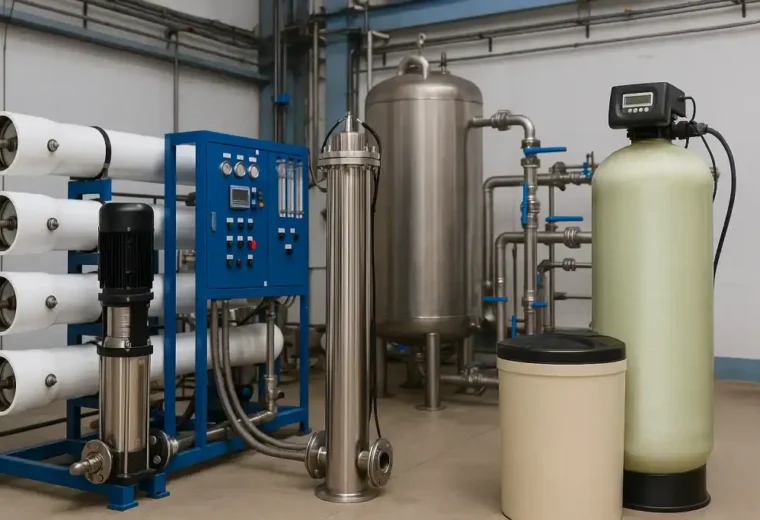
A whole-home system can treat water as it enters the property, allowing treated water to reach showers, bathrooms, laundry appliances, and other fixtures.
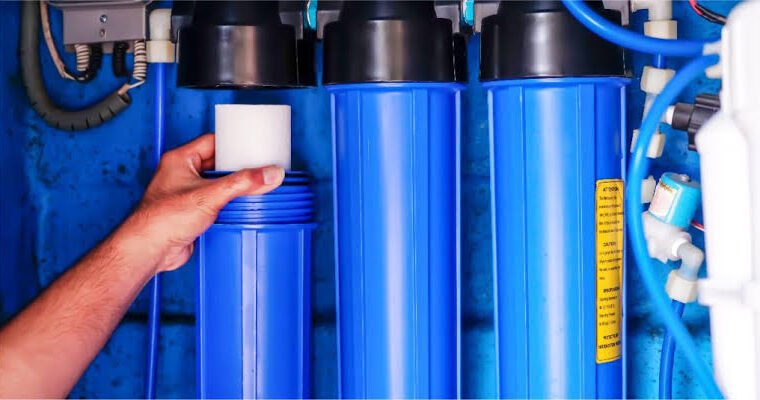
The right setup depends on the water itself. Some homes may benefit from a softener. Others may need sediment filtration, carbon filtration, specialty treatment, or a combination of technologies.
There’s no prize for owning the most equipment. The smartest setup is the one that addresses the actual problem.
Test First, Then Choose
Before investing in water treatment, start with information.
A water test can help determine whether hardness, sediment, chlorine, iron, or another issue is present. Once you understand the water, choosing equipment becomes much easier.
This also prevents a common mistake: paying for technology you don’t need.
A professional water-treatment specialist can explain the test results and recommend an appropriate approach. If you’re considering a larger whole-home system, professional sizing and installation can be particularly valuable.
Better Water Is a Whole-Home Improvement
Water quality affects much more than the glass sitting beside your kitchen sink.
It can influence showers, laundry, appliances, cleaning, and the simple comfort of everyday routines. When the water is appropriate for your home’s needs, many small tasks can become easier and more pleasant.
The important thing is not to chase perfection. Start by understanding your water, identify the problems that actually matter, and choose treatment that makes sense for your household.
Because sometimes the best home improvements aren’t the flashy ones. They’re the quiet changes you notice every day — cleaner fixtures, better-tasting water, nicer showers, and laundry that feels a little more like it should.

Admin
Contributor at Readnify covering useful ideas, practical context and emerging stories.
Bring your expertise to Readnify.
We welcome original, useful guest contributions that help readers make better decisions.