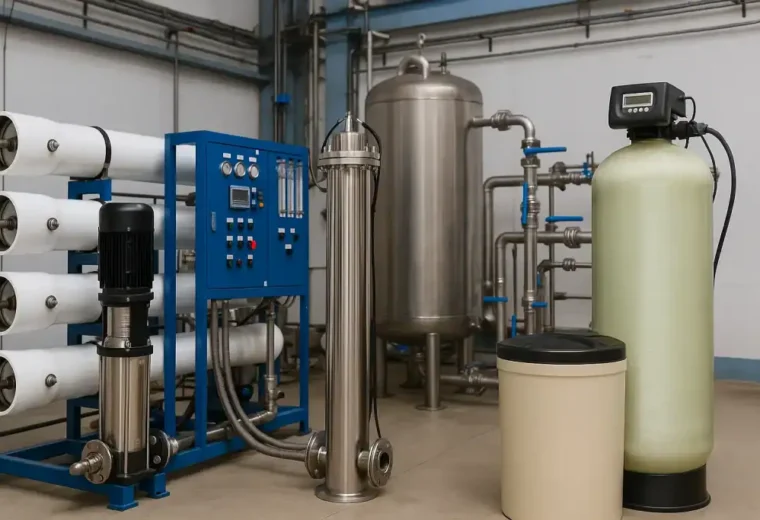
Most people don’t want to spend their weekends worrying about water filters, softener settings, or whether their treatment system is running properly. They simply want water that works for everyday life, whether that’s filling a kettle in the morning, taking a comfortable shower, or getting through a busy load of laundry without dealing with stubborn mineral stains.
Yet even a good water treatment system needs a little attention. Filters wear out, salt supplies run low, and equipment occasionally needs servicing. The trick is to make these responsibilities manageable instead of waiting until something stops working.
With the right equipment, sensible maintenance habits, and dependable service, looking after your home’s water supply can become a fairly straightforward part of homeownership.
Why Consistent Water Softener Care Matters
Hard water is a common concern in many households. It contains elevated levels of calcium and magnesium, which can leave white deposits on faucets, showerheads, glassware, and heating elements. These minerals can also make soap less effective, leaving some people feeling as though they need to use more shampoo or cleaning products than expected.
A water softener can help reduce these effects by removing hardness minerals through an ion-exchange process. However, traditional salt-based softeners need a supply of suitable salt to regenerate their resin and continue operating as intended.
When the salt level gets too low, the system may not soften water effectively. You might notice mineral spots returning on dishes or a gradual change in how the water feels during bathing. These signs don’t automatically mean the softener is broken, but they are worth investigating.
Checking the brine tank regularly is a simple habit. Follow the manufacturer’s recommendations for salt type and refill levels, since requirements can vary between models. Avoid filling the tank without checking its current condition, particularly if a crust or hardened salt bridge has formed.
Taking the Hassle Out of Salt Refills
For busy households, remembering to buy heavy bags of softener salt isn’t always convenient. A trip to the store can become another chore on an already crowded to-do list, especially if the equipment is located in a basement, utility room, or garage.
A dependable salt delivery service can make this task easier by bringing the required supplies directly to your property. Instead of waiting until the tank is nearly empty, you can arrange deliveries according to your household’s usage and the manufacturer’s recommendations.
The amount of salt a system consumes depends on several factors, including water hardness, household size, water consumption, and the softener’s efficiency settings. A family of five may need refills more frequently than a person living alone, although the exact difference depends on daily habits and equipment design.
Before arranging a delivery service, ask about bag sizes, delivery fees, minimum orders, and whether the provider can place the salt in a convenient location. Some services may offer recurring schedules, while others let customers request deliveries as needed.
It’s also worth checking whether your system has been programmed correctly. Excessive salt consumption can sometimes indicate inefficient settings or an equipment issue. Simply ordering more salt won’t solve the underlying problem if the softener needs adjustment.
Is a Membership Plan Worth Considering?
Some water treatment companies offer service plans that bundle selected benefits into a recurring membership. Depending on the provider, these arrangements may include scheduled maintenance, discounts on replacement filters, priority service, delivery benefits, or reminders when routine care is due.
A membership program can be useful for homeowners who prefer predictable service arrangements rather than organizing every task separately. For example, someone who travels frequently may appreciate scheduled visits and reminders that reduce the chance of overlooking maintenance.
Still, not every plan offers the same value. Read the terms carefully before signing up. Find out which services are included, whether parts and labor cost extra, how cancellation works, and whether there are limits on the number of service visits.
It helps to compare the membership fee with the services you would realistically use. If you only need a small amount of salt twice a year, a comprehensive maintenance package might be unnecessary. On the other hand, if your home uses several treatment units, a plan covering routine inspections and selected servicing could provide worthwhile convenience.
Don’t choose a membership solely because it promises savings. Look at the actual benefits, the company’s reputation, and the support available when something goes wrong. A useful plan should simplify ownership rather than create another bill with little practical value.
Getting the System Installed Correctly
The long-term performance of water treatment equipment depends partly on how well it is selected and set up. Even a reliable product may disappoint if it is too small for the household’s water demand or installed in an unsuitable location.
Professional installation begins with understanding the water supply and the problem the equipment is intended to address. A technician may need to consider water pressure, plumbing access, drainage requirements, available space, and the amount of water used during busy periods.
For a water softener, correct sizing and programming matter. An undersized unit may struggle to keep up with demand, while unsuitable settings can waste salt and water. Filtration systems have their own requirements, including appropriate flow rates, filter compatibility, and access for future cartridge replacement.
Ask the installer to explain how the equipment works before the job is considered complete. You should know where the main controls are, how to recognize common warning signs, and what maintenance tasks you can safely perform yourself.
Request documentation covering the warranty, operating instructions, and service schedule. Keep these details somewhere accessible. When a question arises months later, having the correct information can save time and avoid unnecessary guesswork.
Don’t Forget Filters and Routine Inspections
Water softeners are only one part of the water treatment picture. Some homes also use drinking water filters, sediment filters, carbon filtration, or reverse osmosis systems. Each has different maintenance needs, and one schedule won’t necessarily suit every device.
A sediment filter, for example, may need attention sooner when incoming water contains more suspended particles. A carbon filter can become less effective as it reaches the end of its service life. Reverse osmosis systems may require periodic replacement of prefilters and other components according to the manufacturer’s instructions.
Pay attention to changes in water taste, flow rate, or appearance, but don’t rely on these signs alone to determine whether water is safe. Some contaminants have no noticeable taste or smell. Where water safety is a concern, appropriate testing is essential.
Routine inspections can also reveal small leaks, worn connections, or unusual equipment noises before they develop into larger issues. If your system includes electrical components or pressurized equipment, leave repairs that require technical expertise to a qualified professional.
Choosing a Provider That Stays Helpful
Good customer service matters long after equipment has been purchased. When a softener stops working properly or a filter needs urgent replacement, clear communication can make an annoying situation much easier to handle.
Look for a provider that explains pricing, responds to questions, and gives realistic advice about repairs and replacement. Ask whether service appointments are available locally, which parts are kept in stock, and how warranty claims are handled.
A trustworthy company should also be willing to explain the limitations of its equipment. No single water treatment system can address every possible water quality issue, and recommendations should reflect your actual needs rather than a standard sales package.
Small Habits Make Water Care Easier
Managing a water treatment system doesn’t need to become another major household responsibility. Check salt levels when appropriate, follow filter replacement schedules, and arrange professional servicing when the equipment requires it. If your water quality changes unexpectedly, investigate the cause instead of assuming that more treatment equipment is needed.
Reliable delivery, useful service plans, and proper installation can make ongoing care much less demanding. The best arrangement is one that suits your household, fits your budget, and gives you confidence that your equipment is being looked after.
Ultimately, better water management comes from a combination of suitable equipment and consistent care. A little planning now can help avoid unnecessary frustration later, leaving you free to get on with the everyday things that matter far more than what’s happening inside the utility room.

Admin
Contributor at Readnify covering useful ideas, practical context and emerging stories.
Bring your expertise to Readnify.
We welcome original, useful guest contributions that help readers make better decisions.