Every Glass of Water Has a Story
Most of us rarely stop to think about the water coming from the kitchen faucet. We fill a glass, brew coffee, cook dinner, or wash vegetables without giving it a second thought. It’s one of those everyday things that quietly works in the background—until something changes. Maybe the water develops a strange smell, tastes slightly off, or leaves stubborn spots on dishes. Suddenly, that invisible part of daily life becomes impossible to ignore.
The truth is, tap water is different from one neighborhood to another. Even homes on the same street can experience different mineral levels or treatment methods depending on plumbing, local infrastructure, and seasonal conditions. That’s why understanding your home’s water is more valuable than many people realize. It’s not just about taste. It’s about confidence in something your family uses every single day.
Why Treated Water Can Still Raise Questions
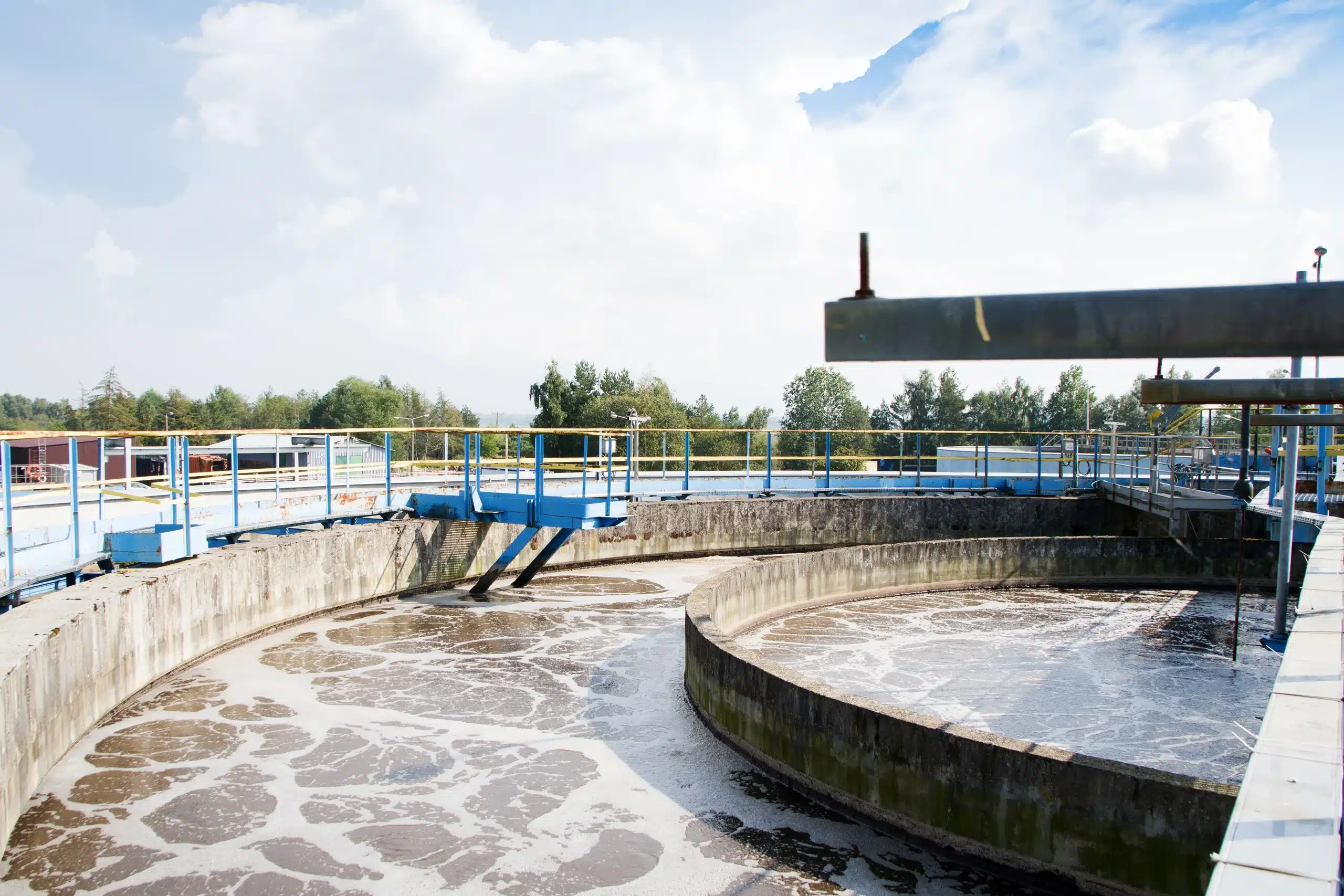
Municipal water systems do an important job by making water safe for public use. They remove harmful microorganisms and monitor contaminants carefully. Yet the process doesn’t always produce water that feels ideal inside the home.
One of the most common concerns homeowners mention is the noticeable smell or taste left behind after disinfection. While these disinfectants serve a necessary purpose before water reaches your house, some people simply prefer a fresher, cleaner experience once the water is flowing from their own tap.
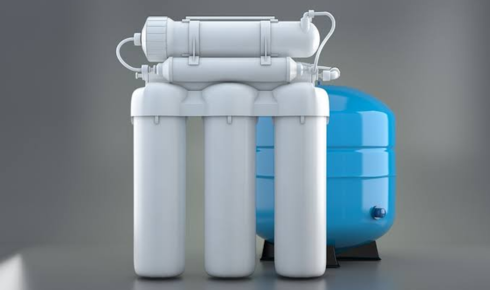
This is where chlorine removal often becomes part of the conversation. Many homeowners choose filtration systems that reduce chlorine because it can improve taste, lessen odors, and make drinking water feel more pleasant. It’s less about replacing municipal efforts and more about adding an extra layer of comfort inside the home.
Small Changes That Make a Big Difference
People sometimes imagine improving household water requires expensive renovations or complicated equipment. In reality, the solution often starts with understanding what your water actually contains.
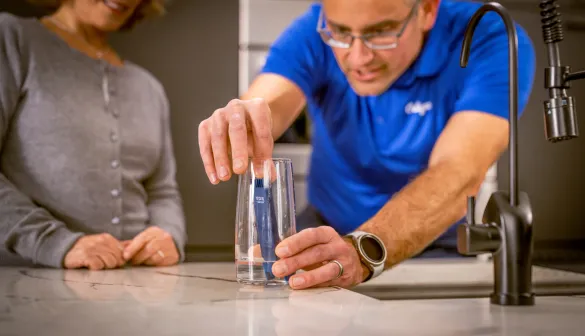
A professional water test can reveal things that aren’t immediately obvious. Hardness, dissolved minerals, sediment, iron, sulfur compounds, or elevated chlorine levels may all affect how water behaves throughout a home. Once those results are available, choosing the right solution becomes much easier.
Interestingly, two homes located only a few miles apart may need completely different systems. That’s why one-size-fits-all recommendations rarely work well. Good decisions come from good information, not assumptions.
Looking Beyond Drinking Water
When people think about improving household water, drinking is usually the first thing that comes to mind. But water touches nearly every part of daily life.
It fills the washing machine. It runs through coffee makers. It showers your family every morning. It helps prepare meals and rinse fresh produce. Even pets depend on it.
Because of that, effective water treatment isn’t simply about making water safer to drink. It’s also about protecting appliances, reducing mineral buildup, helping soaps work more efficiently, and making everyday routines a little more enjoyable.
Many homeowners notice softer towels, shinier dishes, cleaner fixtures, and fewer stubborn stains after installing systems designed specifically for their water conditions. Those practical improvements often become just as valuable as the changes in taste.
Every Home Has Different Water Challenges
Water isn’t exactly the same everywhere, and that’s something people often overlook.
Some regions naturally contain high levels of calcium and magnesium, creating hard water. Other areas struggle with sulfur odors or elevated iron that stains sinks and laundry. Private well owners may face an entirely different set of concerns compared with homes connected to city water.
That’s why comparing your water to someone else’s experience doesn’t always help.
A neighbor might recommend a filter that works perfectly for their family, but it may do very little for yours if the underlying issues are different. Understanding your own water first saves money and prevents frustration later.
Paying Attention to the Details
Sometimes water problems aren’t dramatic enough to trigger immediate concern. Instead, they slowly become part of everyday life.
Maybe soap never seems to rinse completely. Perhaps glasses come out of the dishwasher with cloudy spots. You replace a coffee maker every couple of years without wondering why. Showerheads clog more often than they should.
Individually, these things seem minor. Together, they often point toward water conditions that deserve a closer look.
Many homeowners simply assume these issues are normal. Often, they’re not.
Better Water Supports Better Living
Clean, pleasant water contributes to everyday comfort in ways that are easy to underestimate.
Cooking feels more satisfying when ingredients aren’t competing with unwanted tastes. Tea and coffee develop richer flavor. Ice cubes appear clearer. Even taking a shower after a long day can feel noticeably different when the water is free from excess minerals or lingering chemical odors.
These aren’t dramatic lifestyle transformations, and maybe that’s exactly the point. Good water quietly improves ordinary moments without demanding attention.
It’s one of those investments that keeps working behind the scenes.
Making Long-Term Decisions Instead of Quick Fixes
The market is filled with inexpensive pitchers, faucet filters, and temporary solutions. Some of them work well for specific purposes, while others provide only limited improvement.
Before purchasing anything, it’s worth asking a simple question: What problem am I actually trying to solve?
If the issue involves taste alone, a basic filter may be enough. If minerals are damaging plumbing or affecting appliances, a more comprehensive system may provide better long-term value.
Taking time to identify the real issue almost always leads to smarter decisions than buying the first product with impressive marketing claims.
Water Quality Is Worth Paying Attention To
At the end of the day, water isn’t something we think about because it’s exciting. We think about it because it’s essential.
Every meal, every shower, every load of laundry, every glass shared around the dinner table depends on it. Improving water quality isn’t about chasing perfection—it’s about creating a healthier, more comfortable home environment where everyday routines become just a little bit better.
Sometimes the biggest improvements aren’t the loudest ones. They’re the quiet upgrades you notice gradually: better tasting coffee, cleaner dishes, softer laundry, fewer plumbing issues, and the simple confidence that comes from knowing exactly what’s flowing through your home’s pipes.
Clean water has always been one of life’s simplest comforts. Understanding it—and caring for it wisely—helps ensure that comfort continues for years to come.

Admin
Contributor at Readnify covering useful ideas, practical context and emerging stories.
Bring your expertise to Readnify.
We welcome original, useful guest contributions that help readers make better decisions.