Hard water is one of those household problems that rarely arrives with a big warning sign. It doesn’t usually flood the kitchen or stop the shower from working overnight. Instead, it builds its case slowly. A cloudy glass here. A stiff towel there. White crust around the faucet. Soap that never quite feels like it rinses away properly.
At first, most people just clean more often. They scrub the shower door again, buy stronger bathroom cleaner, or blame the dishwasher for leaving spots. Fair enough. But after a while, the same marks keep coming back, and it starts to feel like the house is quietly working against you.
In many cases, the real trouble starts with the water itself.
What Makes Water “Hard”?
Hard water contains higher levels of dissolved minerals, mainly calcium and magnesium. These minerals are picked up naturally as water travels through rock, soil, and underground sources before reaching your home. The water may look clear, but those minerals can leave behind residue once the water evaporates.
That residue is what you often see as chalky white marks on taps, showerheads, tiles, glassware, and sinks. It can also collect in places you don’t see, like inside pipes, water heaters, dishwashers, and washing machines.
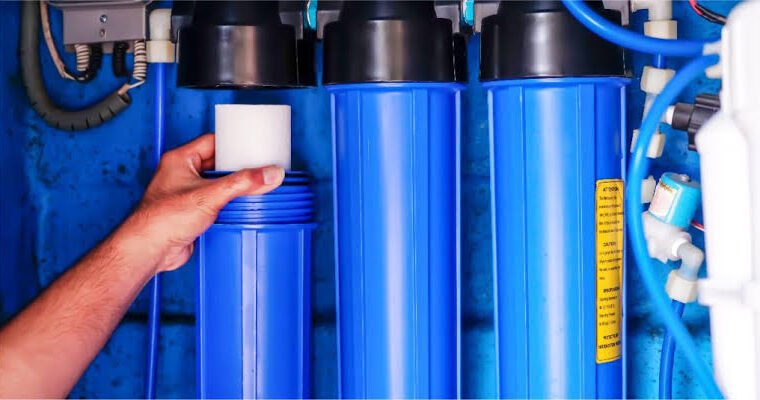
For homes dealing with these issues regularly, hard water solutions can make a practical difference. The right approach can reduce mineral-related problems and help water behave better throughout the house, instead of leaving you to keep fighting the same stains every week.
The Cleaning Problem Nobody Enjoys
One of the most frustrating parts of hard water is how it makes cleaning feel unfinished. You wipe the sink, and the spots come back. You polish the shower glass, and a cloudy film appears again. You wash glasses in the dishwasher, and they still don’t look clean.
Hard water also interferes with soap and detergent. That means shampoo may not lather well, laundry may feel rough, and dishes may need extra rinsing. Some people even notice their skin feels dry after bathing, not because the shower is dirty, but because the water leaves mineral residue behind.
It’s a small thing, but it gets old. Fast.
Why Scale Is More Than a Cosmetic Issue
The visible spots around fixtures are annoying, but hidden buildup can be more serious. When hard water minerals collect inside plumbing and appliances, they form scale. This scale can reduce water flow, lower efficiency, and force equipment to work harder.
A water heater is a good example. If scale builds up inside the tank or on heating elements, the system may need more energy to heat the same amount of water. Over time, this can contribute to higher utility costs and more wear on the unit.
That’s where scale reduction becomes important. Reducing mineral buildup can help protect internal components, improve performance, and lower the amount of cleaning and maintenance needed around the home.
Appliances Feel the Effects Too
Hard water doesn’t just leave stains. It can shorten the life of appliances that rely on water every day. Dishwashers, washing machines, coffee makers, ice machines, and water heaters all deal with the same mineral-heavy supply.
Inside these appliances, scale can build slowly and quietly. You might not notice until the dishwasher stops cleaning well, the coffee maker runs slower, or the water heater starts making strange popping sounds. By then, the issue may have been developing for months or even years.
This is why appliance protection is one of the strongest reasons to improve water quality. Treating hard water can help reduce stress on expensive household equipment and support more reliable performance over time.
Choosing the Right Treatment Option
Not every home needs the exact same system. Some households may benefit from a traditional water softener, which removes hardness minerals from the water. Others may consider salt-free conditioning systems, depending on their goals, plumbing setup, and local water conditions.
The smartest first step is usually water testing. It shows how hard your water actually is and whether there are other concerns, such as iron, sediment, chlorine, or unusual taste. Once you know what’s in the water, choosing the right solution becomes much easier.
A professional assessment can also help match the system to your household size and water usage. A small home with two people may not need the same equipment as a busy family with multiple bathrooms, constant laundry, and high water demand.
The Everyday Difference Better Water Can Make
When hard water is treated properly, the change often shows up in simple, repeated ways. Soap lathers more easily. Laundry feels softer. Shower glass stays cleaner for longer. Faucets don’t collect buildup as quickly. The dishwasher does a better job. Even your morning coffee maker may seem happier.
It’s not a flashy upgrade. Nobody walks into a house and says, “Wow, your water hardness level feels amazing.” But you notice it. You notice the reduced scrubbing, the smoother showers, the cleaner dishes, and the feeling that your home is a little easier to maintain.
A Smarter Way to Care for Your Home
Hard water may seem like a minor inconvenience, but over time, it can affect comfort, cleaning, plumbing, and appliance performance. Ignoring it usually means accepting more stains, more buildup, more maintenance, and possibly more repair costs later.
Better water treatment helps shift the balance. Instead of reacting to problems after they show up, you prevent many of them from becoming part of daily life.
And honestly, a home should not make you fight the same white spots forever. Clean water, softer laundry, better appliance performance, and fewer mineral stains — that’s the kind of quiet upgrade that pays you back every day.

Admin
Contributor at Readnify covering useful ideas, practical context and emerging stories.
Bring your expertise to Readnify.
We welcome original, useful guest contributions that help readers make better decisions.