There’s a strange kind of trust we place in the water that comes from the tap. We fill a glass without thinking much about it. We cook pasta with it, rinse fruit under it, brew coffee with it, and hand it to our children when they’re thirsty. Most of the time, we assume it’s fine because it looks clear. And honestly, that’s understandable.
But clear water doesn’t always mean clean water.
Depending on where a home is located, water can carry all sorts of things before it reaches the kitchen sink. Some are harmless in small amounts. Others affect taste, smell, appearance, or long-term household comfort. Sediment, chlorine, hardness minerals, iron, organic compounds, and aging pipe residue can all play a role. You may not notice everything right away, but your home often does.
A cloudy glass, a faint chemical smell, gritty particles near the faucet, or tea that tastes oddly flat — these small clues can say a lot.
Why One Filter Is Not Always Enough
A basic filter may help with certain taste or odor problems, but water issues are rarely that simple. One home may struggle with chlorine taste. Another may have sediment. A third may need help with hardness or dissolved impurities. This is why a single filter is not always the complete answer.
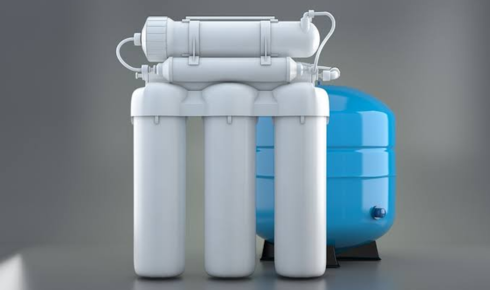
That’s where multi-stage filtration becomes important. Instead of asking one filter to do every job, a multi-step setup treats water through different layers or processes. One stage may reduce sediment. Another may address taste and odor. Another may target smaller impurities, depending on the system type.
This layered approach is more practical because different contaminants behave differently. Some are physical particles. Some are dissolved. Some affect smell. Some affect how water performs in appliances or plumbing. Treating them properly often means using more than one method.
The Taste Test Most Families Notice First
For many homeowners, the first noticeable benefit of better filtration is taste. Water may seem lighter, fresher, and easier to drink. Coffee and tea can taste cleaner too, which sounds small until you realise how many people start every morning with one of those.
Children may drink more water when it doesn’t have a strong smell or unpleasant aftertaste. Guests may notice it without knowing why. Even ice cubes can improve, because poor-tasting water tends to carry that taste into everything it touches.
Having cleaner drinking water at home is not only about comfort, though comfort matters. It can also reduce reliance on bottled water. That means fewer plastic bottles, less storage space wasted, and fewer last-minute grocery runs just because the family doesn’t like drinking from the tap.
It’s a simple shift, but it can change daily habits in a very real way.
Filtration Is Also About the Whole Home
Drinking water usually gets the most attention, but water is used all over the house. It runs through the dishwasher, washing machine, showers, toilets, water heater, refrigerator line, and every faucet. If water carries sediment or minerals, those things can move through the whole plumbing system.
Over time, buildup can affect fixtures and appliances. Showerheads may clog. Faucets may develop residue. Laundry may feel less fresh. A dishwasher may leave spots behind even when the machine itself is working perfectly.
This is where homeowners often begin thinking beyond a small countertop filter. A whole-home approach can make more sense when the issue affects more than one tap. Proper residential purification can support everyday living by improving the water used throughout the home, not just the water poured into a glass.
Of course, the right setup depends on the home itself. A small apartment and a large family house won’t always need the same solution.
Testing Comes Before Buying
One of the most common mistakes people make is buying a filtration system before understanding the actual water problem. A product may have thousands of good reviews and still be the wrong fit for your home.
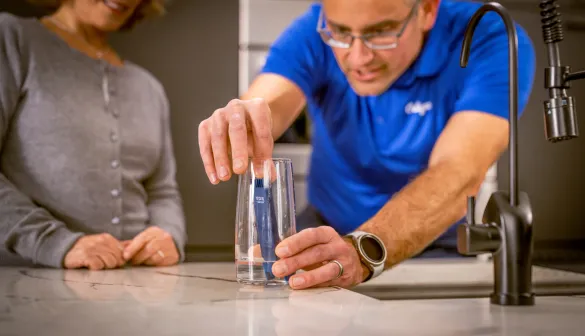
Water testing helps remove the guesswork. It can show hardness levels, sediment concerns, chlorine presence, iron, pH balance, or other factors depending on the test used. This information matters because different systems are designed for different jobs.
For example, a carbon filter may improve taste and odor, but it won’t solve every mineral issue. A sediment filter may catch visible particles, but it won’t remove dissolved substances. Reverse osmosis may be useful for drinking water, but it may not be the right whole-house solution for every situation.
Good filtration starts with knowing what needs to be filtered.
What a Good System Should Feel Like
A well-chosen filtration setup shouldn’t feel like a complicated machine you have to constantly worry about. It should fit into the rhythm of the home. Filters should be accessible. Maintenance should be clear. Water pressure should remain comfortable. The system should match daily usage, not just look impressive on paper.
Some homes need compact designs because space is limited. Others need higher-capacity systems because several people use water at the same time. Some households care mostly about drinking water. Others want better water for showers, laundry, cooking, and appliances.
The best system is not always the biggest one. It’s the one that solves the right problem without creating new headaches.
Why Professional Installation Can Save Trouble
Water filtration may look straightforward, but installation matters. Poor placement, wrong sizing, incorrect connections, or ignored pressure requirements can affect performance. A system that is not installed properly may reduce flow, leak, waste filters too quickly, or fail to treat water as expected.
Professional help can make the process easier. It also gives homeowners a chance to ask practical questions: How often should filters be changed? What signs show the system needs service? Is the setup suitable for future plumbing changes? These details are not glamorous, but they matter.
A Quieter Kind of Home Improvement
Water filtration is not the kind of upgrade people show off like a new kitchen island. It works quietly. You notice it when the water tastes better, when the kettle looks cleaner, when the shower feels fresher, or when you stop buying so many plastic bottles.
That’s the beauty of it. Better water doesn’t need to announce itself. It simply makes everyday life smoother.
And in a home, those small improvements often matter the most.

Admin
Contributor at Readnify covering useful ideas, practical context and emerging stories.
Bring your expertise to Readnify.
We welcome original, useful guest contributions that help readers make better decisions.