Most people judge water by the obvious things first. Does it look clear? Does it smell okay? Does it taste normal? Fair enough. That’s how most of us experience water in real life, not through charts or lab reports. We fill a glass, take a sip, and move on with the day.
But water can be a little sneaky. It may look perfectly clean and still contain minerals, particles, or chemical imbalances that affect taste, plumbing, appliances, and comfort around the home. That’s why water testing matters. It gives homeowners something better than guesswork.
And no, you don’t need to be a scientist to understand the basics. A few simple measurements can tell you a lot about what is happening inside the water you use every day.
Why Water Testing Is Worth Taking Seriously
Water quality can change from one home to another, even in the same neighbourhood. Plumbing age, source water, treatment methods, nearby construction, and private wells can all make a difference. One house may struggle with mineral buildup, while the next has cloudy water or a strange taste.
Testing helps identify the cause instead of chasing symptoms. If dishes are spotting, the issue might be dissolved minerals. If water looks cloudy, it may be particles or air. If coffee tastes odd, it could be chlorine, metals, pH imbalance, or other dissolved substances.
Without testing, homeowners often spend money on filters that only partly help. The right data saves time, money, and frustration.
What TDS Can Tell You About Water
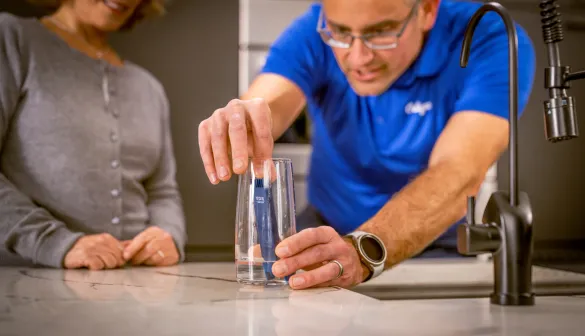
One common measurement is TDS total dissolved solids, which refers to the amount of dissolved material in water. These dissolved solids can include minerals, salts, metals, and other substances that are too small to see.
A higher TDS reading doesn’t automatically mean water is unsafe, but it can affect taste, texture, and performance. Water with high dissolved solids may taste salty, bitter, metallic, or heavy. It may also contribute to scale buildup in certain situations, especially when hardness minerals are involved.
Low TDS water can taste cleaner to some people, though taste is personal. The main point is that TDS gives a useful clue. It doesn’t explain everything by itself, but it helps build a bigger picture when combined with other water test results.
When Water Looks Cloudy or Hazy
Sometimes water doesn’t look dirty exactly, but it doesn’t look clear either. It may appear cloudy, milky, or slightly brownish. Maybe it clears after sitting for a minute, or maybe the haze stays. Either way, it gets your attention.
This is where turbidity comes in. Turbidity measures how clear or cloudy water is, often because of tiny suspended particles. These particles may include sediment, clay, organic material, rust, or other fine matter.
Cloudy water can be more than a visual issue. Particles may clog filters, collect in plumbing fixtures, or make water treatment less effective. In some cases, turbidity can also signal that further testing is needed, especially for well water or water affected by storms, repairs, or changing source conditions.
The Balance of Acidity and Alkalinity
Another important measurement is pH level, which shows whether water is more acidic, neutral, or alkaline. The pH scale may sound a bit technical, but the idea is simple: water that is too acidic or too alkaline can create problems in the home.
Low pH water may be corrosive. It can sometimes contribute to metal leaching from pipes, stains, or a slightly sharp taste. High pH water may feel slippery, taste bitter, or contribute to scale when paired with certain minerals.
Most homeowners don’t think about pH until there is a problem, but it can influence how water behaves. It can also affect how well certain treatment systems work. That’s why it’s often checked alongside other water quality markers.
Why One Number Never Tells the Whole Story
A common mistake is focusing on just one test result. TDS is useful, but it doesn’t tell you exactly what the dissolved solids are. Turbidity shows cloudiness, but not always the cause. pH shows balance, but not whether water contains iron, chlorine, bacteria, or hardness minerals.
Water quality is more like a puzzle. Each number adds a piece. The full picture comes from looking at everything together, along with what the homeowner is noticing day to day.
For example, cloudy water with high sediment may need filtration. High TDS in drinking water may point toward reverse osmosis. Low pH may require neutralisation. Hard water may need softening. The right answer depends on the full test, not one reading in isolation.
How These Issues Affect Daily Life
Water numbers may seem abstract, but the effects are very real. They show up in the kitchen, bathroom, laundry room, and appliances.
High dissolved solids can change the taste of coffee, tea, soups, and ice. Cloudy water can make people hesitate before drinking from the tap. Poor pH balance can affect plumbing over time. Particles in water can clog aerators and make fixtures look dirty even after cleaning.
Then there’s the comfort side. Nobody wants to wonder whether the water in their glass is okay. Nobody wants to keep buying bottled water because the tap tastes strange. And nobody wants appliances wearing out sooner because water problems were ignored for years.
Choosing Treatment Based on Real Results
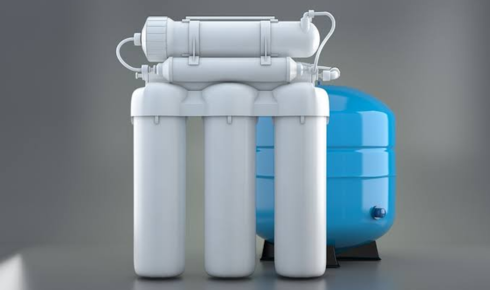
The best water treatment system is the one chosen after testing, not before. Depending on the results, a home may need carbon filtration, sediment filtration, a softener, reverse osmosis, pH correction, or a combination of systems.
A good provider should explain what the numbers mean in plain English. Homeowners should not feel buried under technical terms. They should understand what is causing the issue, what options are available, and what maintenance will be required later.
That honest explanation matters. Water treatment should feel practical, not mysterious.
Better Water Begins With Better Understanding
Clean water is not just about what you can see in a glass. It is about what the water carries, how it behaves, and how it affects the home over time. Testing gives you the facts, and those facts make it easier to choose the right solution.
So if your water tastes odd, looks cloudy, leaves buildup, or simply makes you wonder, don’t guess. Test it. Read the results. Ask questions. Once you understand the numbers behind your water, improving it becomes a lot less complicated.

Admin
Contributor at Readnify covering useful ideas, practical context and emerging stories.
Bring your expertise to Readnify.
We welcome original, useful guest contributions that help readers make better decisions.