Hard water is one of those household problems that sneaks in quietly. It doesn’t usually announce itself with a dramatic leak or a loud bang from the basement. It just shows up in small, annoying ways. A cloudy glass here. A stiff towel there. A shower head that used to spray nicely but now sort of coughs water in odd directions.
At first, it feels like normal home maintenance. You scrub the faucet, buy a stronger cleaner, replace a shower head, maybe blame the dishwasher. But after a while, the pattern becomes hard to ignore. The same spots come back. The same film returns. The same appliances seem to struggle more than they should.
Hard water is simply water with a high amount of minerals, usually calcium and magnesium. These minerals are not always dangerous to drink, but they can be rough on a home. And honestly, they can be rough on daily comfort too.
When Water Starts Affecting Your Skin
One of the first places many people notice hard water is in the shower. Soap doesn’t lather properly. Shampoo feels like it takes forever to rinse out. Skin may feel tight afterward, almost like there’s a thin layer left behind.
For some households, hard water can contribute to dry skin and hair, especially when minerals interfere with how soap and shampoo wash away. Hair may feel dull or heavy, even after a fresh wash. Skin can feel itchy or less comfortable, particularly during colder months when dryness is already a problem.
It’s easy to assume the issue is the soap, the weather, or even the water heater. Sometimes it is. But when several family members are noticing the same thing, the water itself may deserve a closer look.
The White Film That Never Seems to Leave
That chalky residue around faucets and shower doors is not just dirt. It is often caused by mineral deposits left behind when hard water dries. You may see it as white crust around taps, cloudy spots on dishes, or a stubborn film on glass shower panels.
The frustrating part is how quickly it returns. You can clean a bathroom on Saturday and still see spots by Monday. This makes the whole house feel harder to maintain than it should. And, over time, those deposits can build up inside fixtures, pipes, and appliances where you can’t easily scrub them away.
A little spotting may seem harmless, but buildup has a way of becoming more than a cosmetic issue.
Appliances Work Harder Than They Should
Hard water can also shorten the life of household machines. Dishwashers, washing machines, water heaters, coffee makers, and ice machines all rely on steady water flow. When minerals build up inside them, efficiency can drop.
This is where appliance damage becomes a real concern. A water heater with scale buildup may need more energy to heat water. A dishwasher may leave glasses cloudy even when the cycle runs properly. A washing machine may struggle to get clothes as clean as expected.
No one wants to replace appliances early, especially when the problem started with something as ordinary as water. But hard water can quietly increase repairs, energy use, and frustration over time.
Laundry Doesn’t Feel Quite Right
Hard water can make laundry feel less soft, even when you use good detergent. Towels may come out rough. Whites may look dull. Dark clothes may fade faster than expected. Some people add more detergent, thinking that will fix it, but too much detergent can create its own problems.
The minerals in hard water can reduce how well soap works. Instead of rinsing away cleanly, detergent and minerals can leave residue behind in fabrics. Over time, clothes may feel stiff or less fresh.
It’s a small thing, but small things matter when they happen every week.
Plumbing Can Suffer Too
Inside pipes, hard water buildup can slowly reduce water flow. This doesn’t happen overnight, which is why homeowners often miss it. A faucet may lose pressure gradually. A shower may feel weaker than it used to. By the time the problem is obvious, buildup may already be well established.
Homes with very hard water may need more frequent plumbing maintenance. Fixtures may wear out faster, and small parts like valves, seals, and aerators can become clogged or less effective.
That’s the thing about hard water. It rarely feels urgent at first, but it keeps adding pressure to the home in quiet ways.
What Homeowners Can Do About It
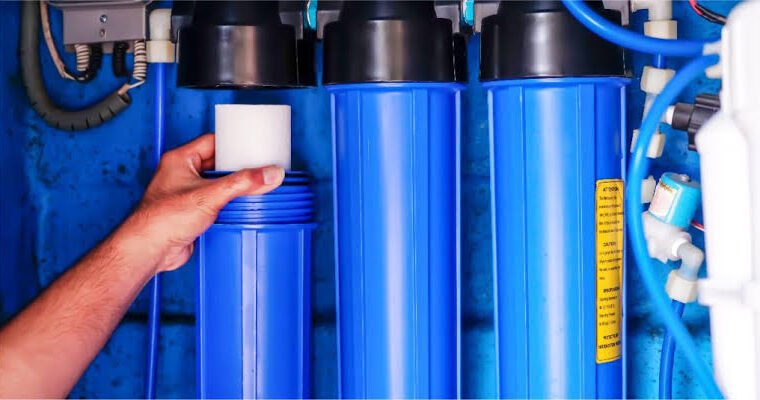
The first step is testing the water. A simple water test can show how hard the water is and whether treatment makes sense. From there, homeowners may consider options like a water softener, filtration system, or a more customized water treatment setup depending on the home’s needs.
Not every house needs the same solution. Some homes have mild hardness and only need targeted help. Others may benefit from a whole-home system that treats water before it reaches showers, sinks, laundry, and appliances.
A Better Home Starts With Better Water
Hard water may not seem like a big problem at first, but it touches more parts of daily life than most people realise. It affects cleaning, bathing, laundry, plumbing, and appliances. It can make a well-kept home feel harder to manage.
The good news is that once the issue is identified, it can usually be improved. Cleaner fixtures, softer laundry, smoother showers, and better appliance performance are not small wins. They make home life easier in a quiet, everyday kind of way.
And sometimes, that’s exactly what a home needs.

Admin
Contributor at Readnify covering useful ideas, practical context and emerging stories.
Bring your expertise to Readnify.
We welcome original, useful guest contributions that help readers make better decisions.