Water is one of those things we expect to be easy. Turn the tap, fill a glass, take a sip, and move on with the day. No drama. No strange smell. No aftertaste that makes you quietly push the glass aside and reach for bottled water instead. But when home water doesn’t taste quite right, it changes small routines in ways people notice more than they expect.
Maybe your coffee tastes a bit flat. Maybe ice cubes carry a faint chlorine smell. Maybe the kids complain the water is “weird,” which, honestly, is often the most direct review you’ll get. These little signs may not feel urgent at first, but they are worth paying attention to. Water affects cooking, drinking, cleaning, bathing, laundry, and the long-term condition of plumbing and appliances.
Why Water Taste Changes From Home to Home
Not all tap water is the same. Even two homes in the same area can have different water quality depending on plumbing age, local supply conditions, well water minerals, treatment chemicals, or sediment in the lines. City water may contain chlorine or chloramine used for disinfection. Well water may carry iron, sulfur, hardness minerals, or earthy tastes from natural groundwater conditions.
Getting better tasting water usually starts with understanding what is causing the taste problem in the first place. A simple pitcher filter may help with some chlorine taste, but it will not solve every issue. Metallic flavor, rotten egg odor, mustiness, or salty taste may point to very different concerns. That’s why testing matters. It turns guesswork into a clear plan.
Clean Water Is About More Than Taste
Taste is often what gets people’s attention, but it is only one part of the bigger picture. Water can look clear and still contain minerals, sediment, dissolved solids, or contaminants that affect household use. Sometimes the issue is not dangerous, just annoying. Other times it may need closer attention, especially with private wells or aging plumbing.
Families want clean drinking water because it supports daily health, comfort, and peace of mind. It’s the water used for baby formula, cooking pasta, rinsing produce, making tea, filling pet bowls, and keeping everyone hydrated through the day. When people trust their water, they drink more of it. That sounds simple, but it matters.
A good drinking water solution may include carbon filtration, reverse osmosis, sediment filtration, UV treatment, or a combination system depending on the test results. The right system should fit the home, the water source, and the actual concerns—not just look impressive on a box.
The Whole House Effect
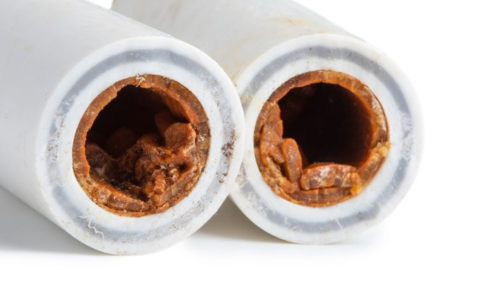
Many homeowners begin with the kitchen tap, then realize the problem is bigger. Water that tastes bad may also smell in the shower. Hard water may leave spots on dishes and scale on faucets. Iron may stain sinks and toilets. Sediment may clog aerators and reduce appliance performance. Once water enters the home, it moves everywhere.
That’s where water quality improvement becomes more practical than treating one symptom at a time. A whole-home approach can help protect plumbing, reduce staining, improve water feel, and support appliances like dishwashers, washing machines, and water heaters. It is not always necessary for every home, but when multiple problems show up across different rooms, it is often the smarter route.
The nice thing is that improvement does not have to be dramatic to be valuable. Sometimes it is the small things: softer towels, clearer ice, better tea, less scrubbing around faucets, or a shower that no longer smells strange.
Testing Before Buying Equipment
Water treatment is not one-size-fits-all. That point gets repeated a lot, but only because it is true. A home with high chlorine needs a different solution than a home with iron. A well with bacteria concerns needs different attention than a city water supply with hardness. A reverse osmosis system might be perfect for drinking water, but unnecessary for every faucet.
Testing can check for hardness, iron, manganese, sulfur, pH, chlorine, total dissolved solids, sediment, bacteria, and other concerns depending on the property. Once the results are clear, a professional can recommend a system that actually matches the problem.
Buying the wrong filter is a little like buying shoes without knowing your size. It might work, but there’s a good chance it won’t feel right.
Installation and Maintenance Still Matter
Even a well-chosen system needs proper installation. Flow rate, water pressure, filter size, pipe layout, and access for maintenance all affect how well the system performs. A poorly installed filter may reduce pressure, leak, clog too quickly, or fail to treat the water properly.
Maintenance is part of the story too. Filters need changing. Softener salt needs refilling. UV lamps need replacement. Reverse osmosis membranes have service schedules. Ignoring maintenance slowly turns a good system into a tired one.
The good news is that most maintenance is simple when explained clearly. Homeowners just need to know what to check and when.
Everyday Water Should Feel Easy
Better water does not need to feel fancy. It just needs to be reliable, pleasant, and safe for daily use. You should be able to fill a glass without second-guessing the taste. You should be able to cook, shower, wash clothes, and make coffee without wondering what your water is doing behind the scenes.
When water is tested, treated, and maintained properly, it becomes one less thing to worry about. And that’s the real value. Not a shiny system in the garage or a technical brochure full of complicated words. Just water that works the way it should, every ordinary day.

Admin
Contributor at Readnify covering useful ideas, practical context and emerging stories.
Bring your expertise to Readnify.
We welcome original, useful guest contributions that help readers make better decisions.