The Hidden Role Water Plays in Everyday Life
When people think about maintaining a home, they usually picture things they can see. Fresh paint, a repaired roof, new flooring, maybe a kitchen upgrade. Water rarely makes the list.
That’s understandable. Water is supposed to work quietly in the background. You turn on a faucet, fill a glass, start a load of laundry, and move on with your day. Most of us don’t spend much time wondering what’s happening inside the pipes behind the walls.
Yet water quality affects nearly every room in a house. It influences cleaning routines, appliance performance, energy efficiency, and even the lifespan of household systems. The strange thing is that many homeowners don’t realize the impact until problems begin showing up.
Cloudy dishes, stubborn mineral stains, inefficient water heaters, and frequent appliance repairs often seem unrelated at first. But in many cases, the quality of the water flowing through the home is a major part of the story.
Small Signs That Often Get Ignored
Hard water tends to introduce itself gradually.
A faucet develops a white crust around its edges. Soap doesn’t lather quite the way it used to. Shower doors become difficult to keep spotless. Towels feel rough despite using plenty of detergent.
Because these issues appear slowly, people often adapt to them without realizing it. What starts as a minor inconvenience eventually becomes accepted as normal household life.
The challenge is that mineral-rich water doesn’t only affect visible surfaces. The real impact is often happening where nobody can see it—inside plumbing lines, water heaters, dishwashers, and washing machines.
That’s where long-term costs can begin to accumulate.
Understanding What Hard Water Actually Does
Hard water contains elevated amounts of naturally occurring minerals, primarily calcium and magnesium. As water moves through underground rock formations, it absorbs these minerals and carries them into residential water systems.
The minerals themselves aren’t generally harmful to drink. The issue lies in the residue they leave behind.
Every time water is heated or evaporates, tiny mineral deposits can remain. Over months and years, those deposits build up. Pipes become narrower. Heating elements become coated. Appliances may need to work harder to achieve the same results.
It’s not dramatic. In fact, that’s what makes it easy to overlook.
Think of it like dust accumulating in a house. One day doesn’t make much difference. Ten years certainly can.
Looking Beyond Surface-Level Problems
Many homeowners focus on visible signs of hard water because they’re easy to notice. Spots on glassware, soap scum in the shower, and scale buildup on fixtures are obvious frustrations.
But one of the biggest benefits of addressing water quality is plumbing protection. Mineral deposits can gradually restrict water flow and place additional strain on plumbing systems over time.
Replacing sections of plumbing isn’t something anyone looks forward to. It’s expensive, disruptive, and usually arrives as an unwelcome surprise. Preventive water treatment can help reduce the accumulation of minerals before they have an opportunity to create larger issues.
For many homeowners, that peace of mind alone makes water quality worth paying attention to.
The Connection Between Water and Appliances
Take a moment to think about how many appliances rely on water.
Dishwashers. Washing machines. Refrigerators. Water heaters. Coffee makers. Humidifiers.
These systems represent thousands of dollars in household investments, yet they’re often exposed to hard water every single day.
Over time, mineral deposits can reduce efficiency and force components to work harder than intended. Heating elements may require more energy. Internal parts may wear faster. Maintenance requirements can increase.
One reason many homeowners invest in water treatment is to support appliance longevity. While no system can guarantee equipment will last forever, reducing mineral buildup often creates conditions that help appliances operate more efficiently for longer periods.
It’s one of those behind-the-scenes benefits that becomes more valuable as the years go by.
Why Water Softening Has Remained Popular
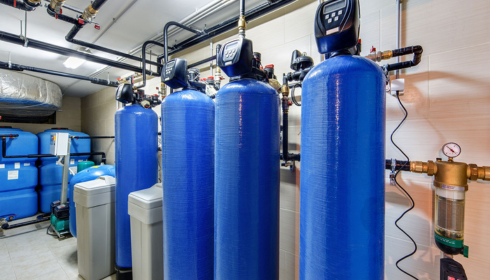
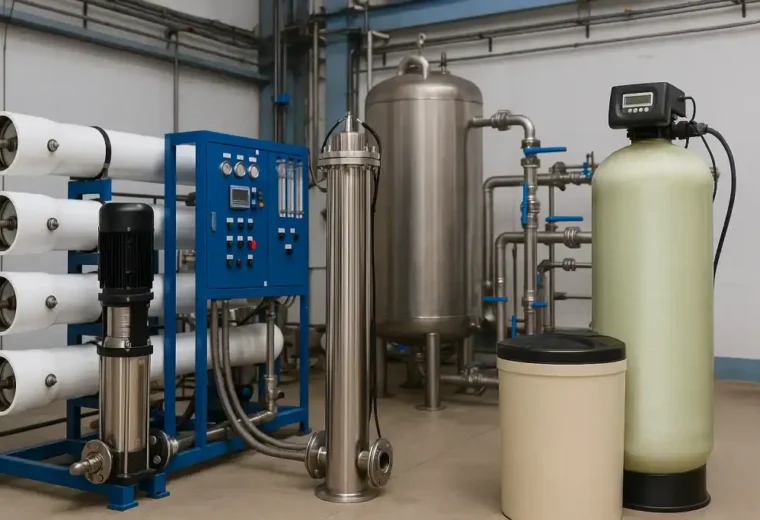
There are various approaches to improving water quality, but water softening remains one of the most widely used methods for addressing hardness minerals.
Traditional salt-based systems work by exchanging hardness minerals for sodium ions, helping reduce the calcium and magnesium content that contributes to scale buildup.
The technology has been around for decades, yet it continues to be popular because it addresses a specific problem effectively. Homeowners frequently report cleaner fixtures, easier cleaning routines, improved soap performance, and reduced mineral accumulation after installing softening equipment.
Of course, every home has different needs. That’s why water testing is often recommended before selecting a treatment solution.
The best system is the one designed for the actual conditions present in the home.
The Everyday Benefits People Notice First
Interestingly, homeowners often install water treatment systems for practical reasons but end up appreciating entirely different benefits.
They might initially want to protect appliances, only to discover their laundry feels softer. Others may be focused on plumbing maintenance and then realize they’re spending less time scrubbing shower doors.
These small improvements aren’t life-changing on their own. Yet together they create a noticeably more comfortable household experience.
Sometimes it’s the little things that matter most.
A cleaner sink. A brighter set of dishes. A shower that leaves less residue behind. Those simple improvements have a way of making daily routines feel just a bit easier.
Water Quality and Household Efficiency
Energy efficiency is another factor that doesn’t always receive enough attention.
When mineral deposits accumulate inside water heaters, the equipment often requires more energy to heat water effectively. Similar efficiency losses can occur in other water-using appliances as scale develops over time.
By reducing mineral buildup, homeowners may help systems operate closer to their intended performance levels. While savings vary from home to home, maintaining efficiency is generally easier than restoring it after years of neglect.
It’s a practical example of how prevention often costs less than repair.
Finding the Right Solution
Not every household experiences the same water challenges. Water quality depends on local geology, municipal treatment methods, well conditions, and numerous other factors.
That’s why starting with a professional water analysis is usually the smartest approach. Understanding the specific characteristics of your water provides a clear foundation for making informed decisions.
Rather than guessing, homeowners can choose solutions that directly address their actual needs.
In the long run, that often leads to better results and greater satisfaction.
A Simple Investment in Everyday Comfort
Water touches nearly every aspect of daily life, yet it’s easy to forget how important it really is. We use it constantly without giving it much thought.
Improving water quality won’t completely transform a home overnight. It won’t generate the excitement of a major renovation project. What it often does provide, however, is something equally valuable: consistency.
Cleaner fixtures. Better appliance performance. Reduced maintenance concerns. Greater confidence in the systems that keep a household running smoothly.
At the end of the day, homeownership is often about protecting what you already have while making everyday life a little easier. Paying attention to water quality is one of those quiet investments that continues working long after it’s installed—and that’s exactly why it matters.

Admin
Contributor at Readnify covering useful ideas, practical context and emerging stories.
Bring your expertise to Readnify.
We welcome original, useful guest contributions that help readers make better decisions.