
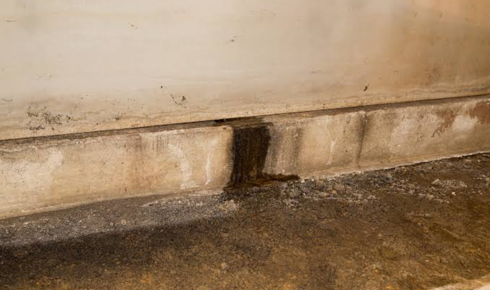
A plumbing leak doesn’t always announce itself with water spraying across the kitchen or a dramatic puddle in the hallway. Sometimes it’s quieter than that. A damp smell near the laundry room. A patch of grass that stays greener than the rest. A soft spot in the floor you keep meaning to check. Little things, easy to dismiss when the day is already full.
But water has patience. It can slip through tiny cracks, soak into soil, creep behind walls, and cause trouble long before anyone sees obvious damage. That’s why homeowners should treat strange plumbing signs with a little respect. Not panic, necessarily. Just attention.
Small Leaks Can Become Big Problems
A small leak might not seem urgent at first. Maybe the faucet still works. Maybe the drains are fine. Maybe the wet patch outside doesn’t look too serious. But even a slow leak can waste hundreds of gallons over time and quietly damage the areas around it.
The real issue is that leaks rarely stay exactly the same. Pipes age, pressure changes, soil shifts, and weak spots can open up further. What starts as a minor underground leak can eventually affect walls, flooring, landscaping, or even your home’s foundation if water keeps collecting in the wrong place.
Foundation-related problems are especially frustrating because they often feel unrelated at first. A crack in a wall, a door that suddenly sticks, or uneven flooring might not scream “plumbing issue.” Still, water moving under or near the house can change soil conditions, and that can create movement where you really don’t want movement.
Your Water Bill May Be Telling You Something
One of the most overlooked clues is the monthly bill. Many homeowners don’t study it closely unless the amount looks unusually high. But that sudden increase may be more than a billing surprise.
A spike in your water bill can point to a hidden leak, especially if your household habits haven’t changed. No extra guests, no new irrigation schedule, no pool filling, no long stretch of laundry after vacation — just a bill that seems out of character.
It’s worth checking simple things first. Toilets that run quietly, dripping faucets, outdoor spigots, sprinkler systems, and water softener cycles can all waste water. But if everything visible looks normal, the leak may be underground or behind a wall. At that point, guessing usually wastes more time than it saves.
Why Early Leak Detection Matters
Modern leak detection has made the process much less invasive than it used to be. A skilled technician may use pressure testing, acoustic equipment, moisture meters, thermal imaging, or camera inspections to narrow down the location. That means less unnecessary digging and fewer holes cut into walls.
Early detection also helps limit damage. Water behind drywall can invite mold. Leaks under slabs can soften soil. Underground leaks can wash away support around pipes. And once water begins damaging surrounding materials, the repair is no longer only about plumbing. It may involve flooring, drywall, landscaping, or structural fixes too.
That’s the part homeowners don’t always expect. The pipe repair might be simple, but the damage caused by waiting can become the expensive part.
When a Leak Becomes Urgent
Some plumbing problems can be scheduled calmly. Others need immediate attention. If water is actively flooding a room, sewage is backing up, or a pipe has burst, waiting until next week isn’t realistic. Shut off the water if you can do so safely, move valuables away from the affected area, and call a professional.
An emergency repair is often needed when water is spreading quickly, affecting electrical areas, damaging walls or ceilings, or making the property unsafe. Fast action can prevent a bad situation from becoming much worse.
Not every leak is an emergency, of course. But if you’re unsure, it’s better to ask than to assume. A quick professional opinion can help you understand whether you’re dealing with a minor issue or something that needs immediate action.
Common Warning Signs Around the Home
Leaks can show up in different ways depending on where the pipe is located. Indoors, watch for stains on ceilings, bubbling paint, warped flooring, musty odors, low water pressure, or the sound of running water when all fixtures are off.
Outside, look for soggy spots, sunken soil, unusually green patches of lawn, puddles that don’t dry, or water near the driveway or sidewalk. In colder areas, repeated freezing and thawing can make older pipes more vulnerable. In warmer regions, soil movement and root intrusion can be the bigger concern.
The signs aren’t always dramatic, and that’s exactly why they’re easy to miss. A homeowner doesn’t need to become a plumbing expert. They just need to notice when something feels off.
Protecting the Home Starts With Paying Attention
Good plumbing maintenance is mostly about timing. Catch a leak early, and the fix may be simple. Ignore it too long, and water can turn a manageable repair into a messy project.
So listen to the house a little. Check the bill. Walk around the yard after dry weather. Don’t ignore a musty smell that keeps coming back. These small habits can help protect your home, your budget, and your peace of mind.
Water may be quiet, but it always leaves clues. The sooner you follow them, the better chance you have of keeping a small problem from becoming the kind of story no homeowner wants to tell.

Admin
Contributor at Readnify covering useful ideas, practical context and emerging stories.
Bring your expertise to Readnify.
We welcome original, useful guest contributions that help readers make better decisions.