Water has a funny way of becoming invisible in our daily lives. We turn on the tap, fill a glass, start the washing machine, or brew a cup of coffee without giving it much thought. It’s simply expected to work. But every now and then, something feels off. Maybe the water leaves white spots on dishes, tastes a little metallic, dries out your skin, or even carries a faint odor you can’t quite identify.
Those small signs often point to bigger concerns hiding beneath the surface. The truth is, no two homes have exactly the same water, even if they’re in the same neighborhood. Pipes, groundwater, municipal treatment systems, and local geology all influence what eventually reaches your faucet. Understanding your water is less about being overly cautious and more about making informed decisions that benefit your home and family.
Every Water Source Tells a Different Story
Many homeowners assume municipal water is identical from one house to another. That’s rarely the case. Water travels through miles of infrastructure before arriving at your tap, picking up minerals, sediments, and sometimes contaminants along the way.
Private wells create another layer of complexity because they’re affected by nearby soil conditions, seasonal rainfall, and naturally occurring minerals underground. A well that’s perfectly fine one year might develop new issues after heavy storms or nearby construction activity.
This is why understanding your specific water source matters so much. General assumptions rarely tell the whole story.
The First Step Isn’t Buying Equipment
One of the biggest mistakes homeowners make is purchasing a filtration system based on advertisements or recommendations from friends. A system that works beautifully for one household may solve nothing for another.
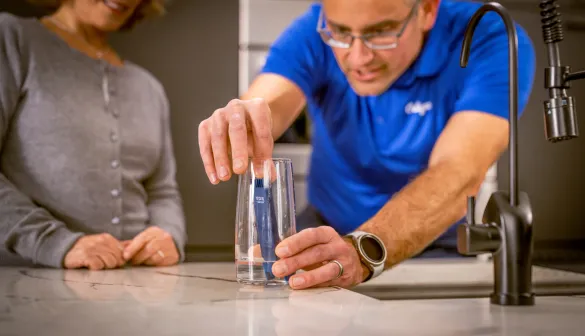
The smarter approach starts with information. A professional free water test can reveal what is actually present in your water, whether that’s excess hardness, iron, chlorine, sulfur, sediment, or other unwanted substances. Instead of relying on guesswork, you gain a clear picture of what needs attention and what doesn’t.
That knowledge often saves money because you’re investing in the right solution rather than hoping a generic filter will solve every problem.
Why Water Problems Often Go Unnoticed
Some water issues announce themselves immediately. Rust-colored stains in sinks, unpleasant smells, or cloudy water are difficult to ignore.
Others are much quieter.
Hard water slowly reduces appliance efficiency. Mineral deposits build inside pipes. Soap becomes harder to rinse away. Water heaters use more energy than necessary. Faucets gradually lose pressure as scale accumulates.
Because these changes happen over months or even years, many homeowners simply adapt without realizing water quality is quietly affecting both comfort and household expenses.
Understanding Modern Water Quality Concerns
Today’s homeowners face a wider range of water quality challenges than previous generations. Aging infrastructure, environmental runoff, changing regulations, and shifting weather patterns all influence the quality of local water supplies.
Even when water meets safety standards, it may still contain minerals or treatment chemicals that affect taste, smell, or household performance. That’s why improving water quality isn’t always about addressing dangerous contaminants. Sometimes it’s about creating water that’s simply better to live with every day.
Better tasting drinking water, softer laundry, cleaner fixtures, healthier plumbing, and improved appliance lifespan all stem from understanding the unique characteristics of your home’s water.
One Size Rarely Fits Every Household
Walk into any home improvement store and you’ll find shelves full of filters promising crystal-clear water. While many of these products serve a purpose, they’re rarely designed with individual water conditions in mind.
A home struggling with hard water has completely different needs than one dealing with sediment or excessive chlorine. Likewise, a family relying on well water may require a very different treatment strategy than someone connected to a city water supply.
That’s why experienced professionals recommend tailored treatment solutions instead of universal fixes. By matching technology to actual water conditions, homeowners achieve better performance, lower maintenance costs, and longer-lasting equipment.
It’s a practical approach that avoids unnecessary spending while delivering measurable improvements throughout the house.
Small Changes Create Everyday Benefits
People often expect dramatic transformations after improving their water, but it’s usually the everyday details that stand out most.
Morning coffee tastes richer. Showers feel more refreshing. Towels stay softer after washing. Glassware comes out of the dishwasher without cloudy spots. Water heaters operate more efficiently, and cleaning products perform better with less effort.
These aren’t flashy improvements, yet they quietly enhance daily routines in ways homeowners genuinely appreciate.
Even pets may drink more water, houseplants often thrive, and plumbing fixtures stay cleaner with less maintenance.
Looking Beyond Today’s Needs
Water quality isn’t something homeowners should evaluate only once. Conditions can change over time because of seasonal shifts, aging plumbing, nearby development, or updates to municipal treatment processes.
Checking your water periodically helps ensure your treatment system continues working effectively. It also provides peace of mind, especially if you’ve recently moved into a new home or noticed subtle changes in taste, smell, or appearance.
Being proactive is usually far less expensive than waiting for visible damage to appear.
A Better Home Starts With Better Water
It’s easy to overlook water because it’s always there, quietly supporting nearly every part of daily life. Yet few household resources have such a broad impact on comfort, health, cleaning, cooking, and appliance performance.
Understanding what’s flowing through your pipes isn’t about becoming obsessed with water chemistry. It’s about making practical choices based on reliable information rather than assumptions.
Whether your goal is extending the life of household appliances, enjoying cleaner drinking water, protecting plumbing, or simply making everyday living a little more comfortable, everything begins with knowing your water first.
Once you understand what’s in it, choosing the right solution becomes surprisingly straightforward—and that’s often where the biggest improvements begin.

Admin
Contributor at Readnify covering useful ideas, practical context and emerging stories.
Bring your expertise to Readnify.
We welcome original, useful guest contributions that help readers make better decisions.